
Tracking the information about your manuscript
Communicate with the editorial office
Query manuscript payment status Edit officeCollecting, editing, reviewing and other affairs offices
Managing manuscripts
Managing author information and external review Expert Information Expert officeOnline Review
Online Communication with the Editorial Department
Online First
WeChat Official
欢迎扫描二维码
随时关注稿件进展!

Journal Introduction
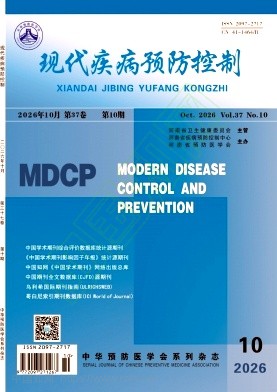
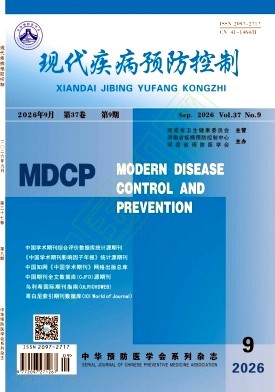
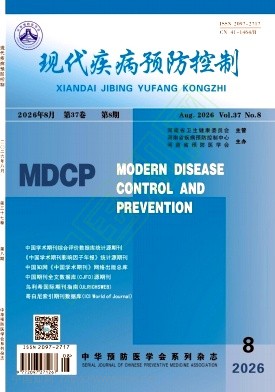
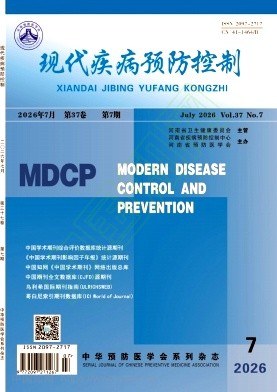
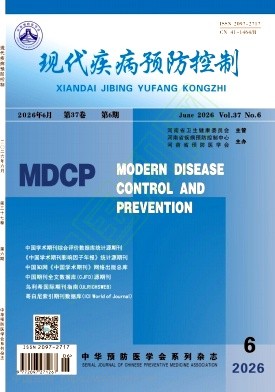
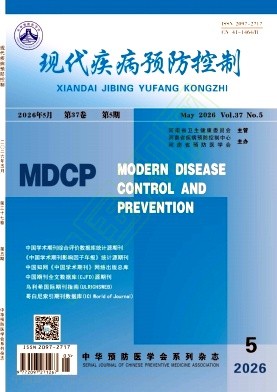
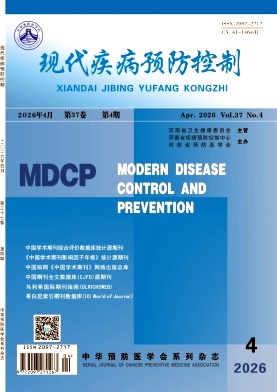
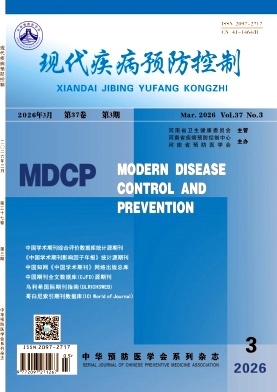
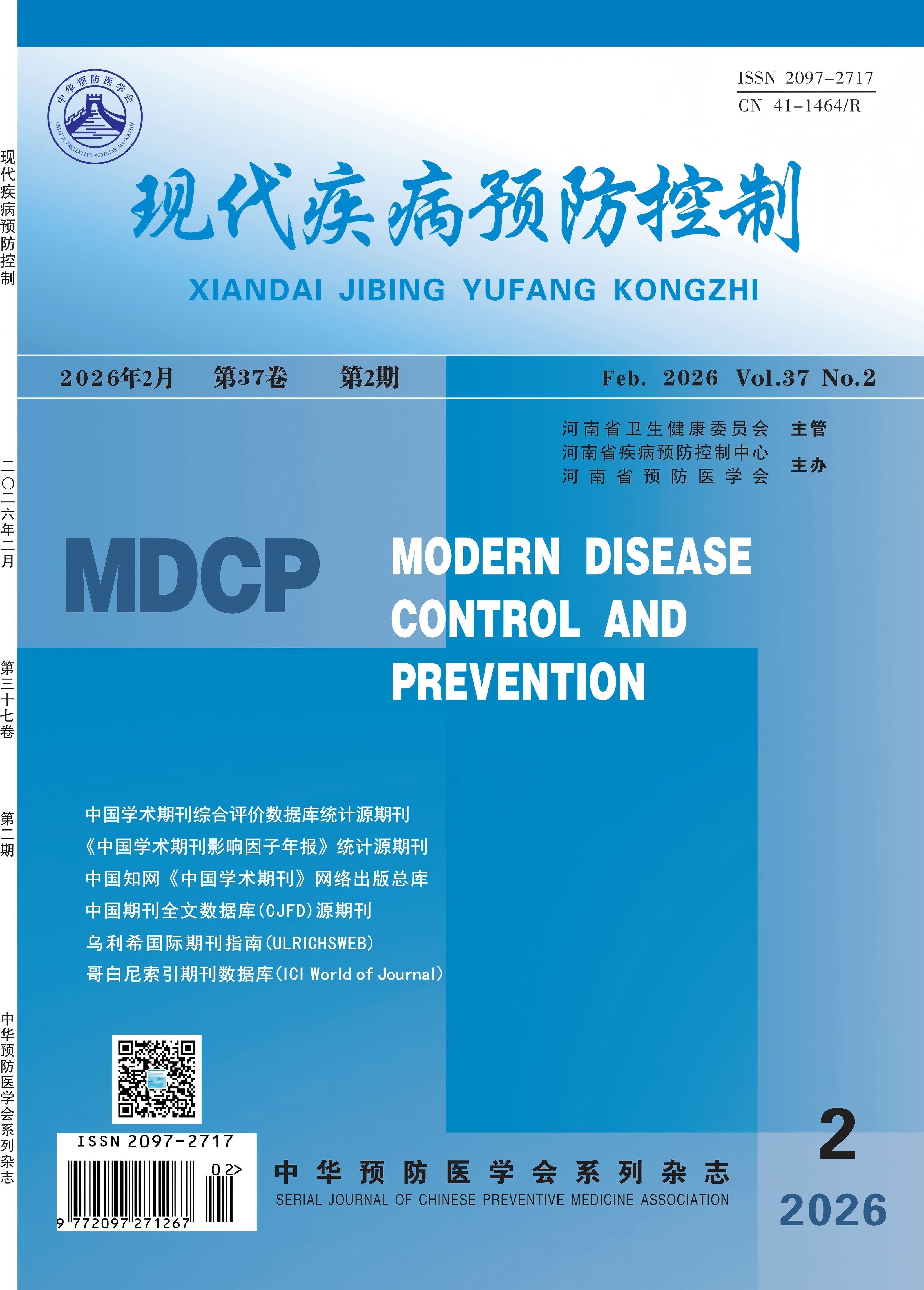
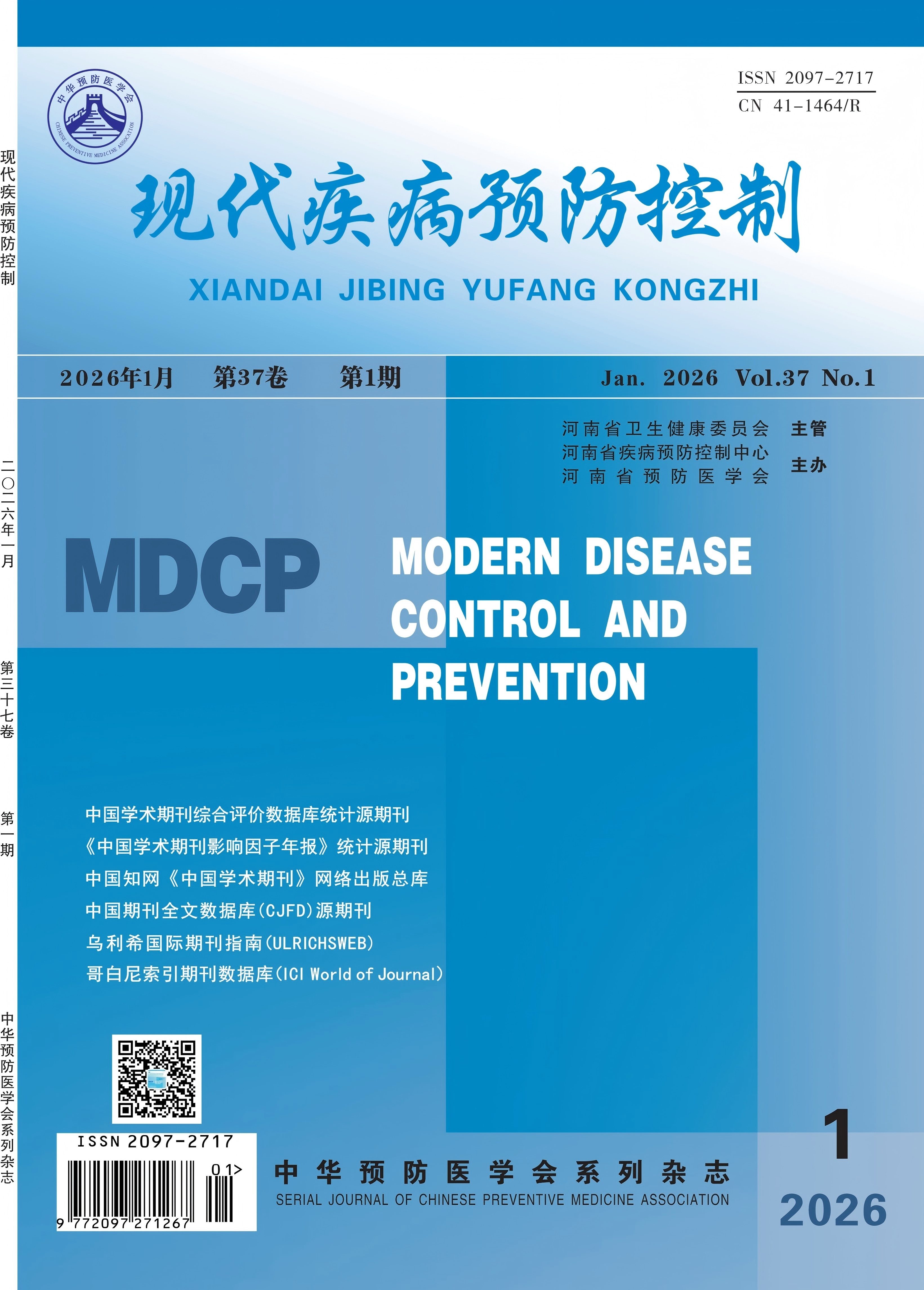
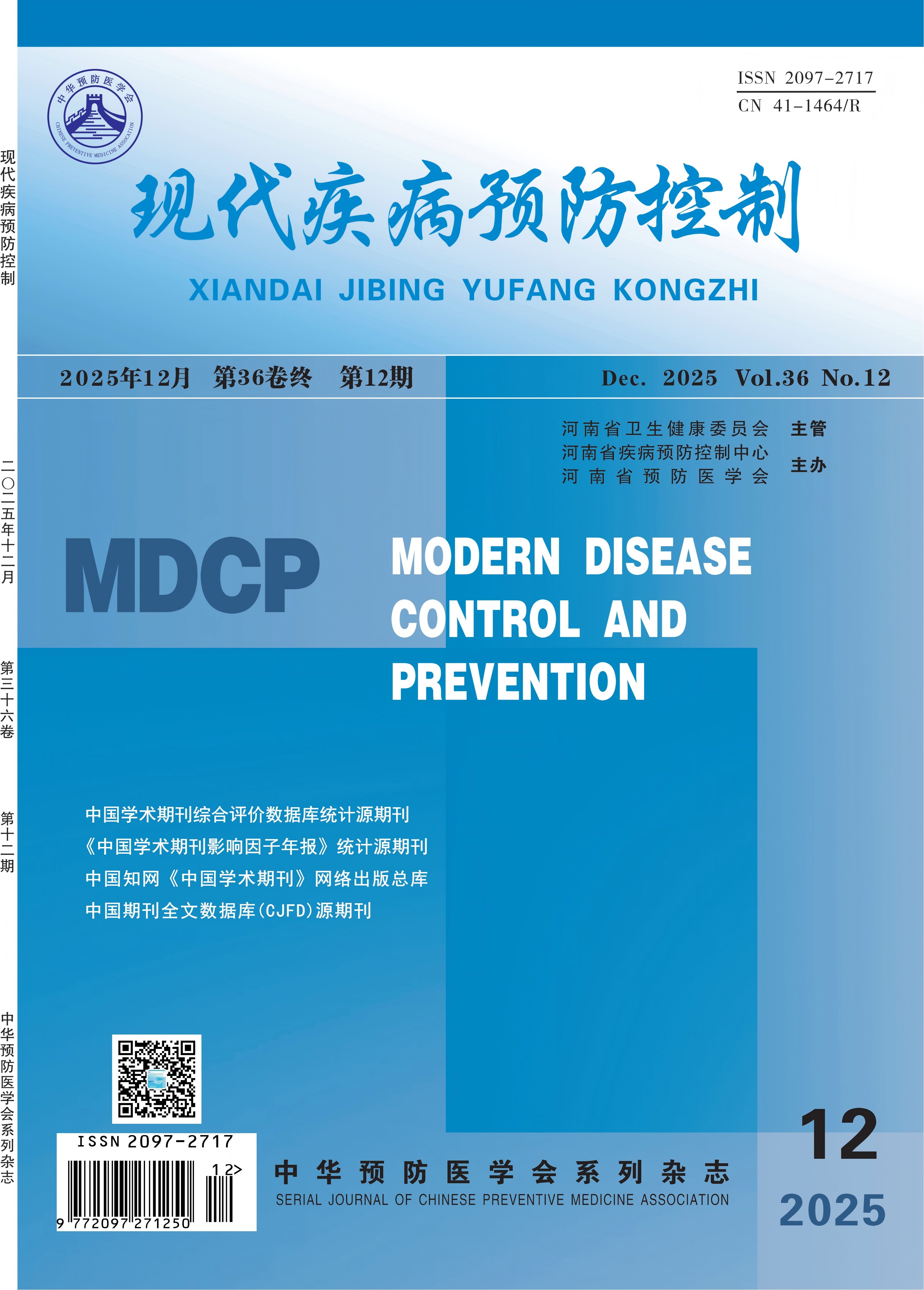
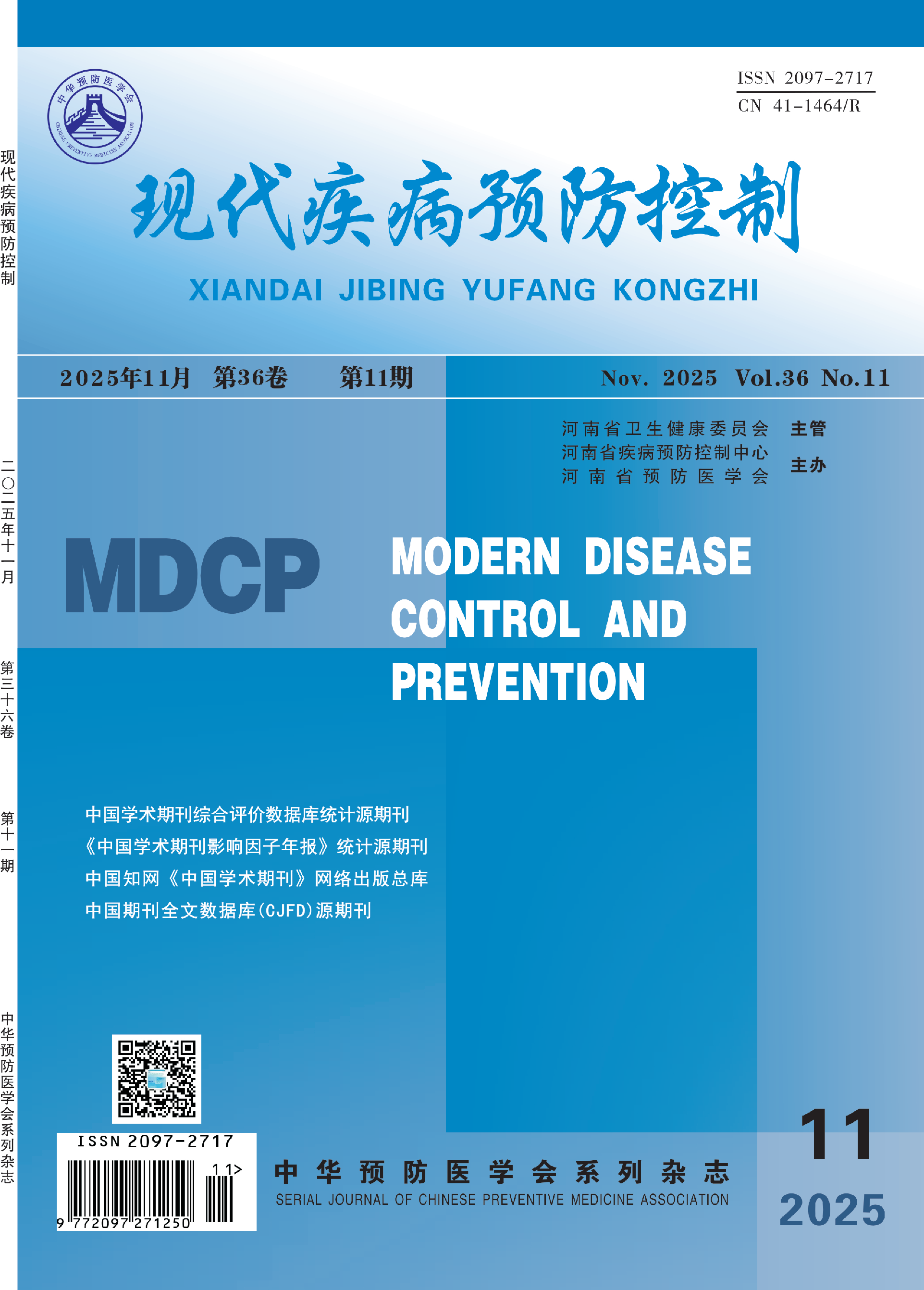
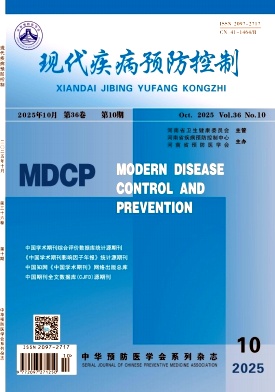
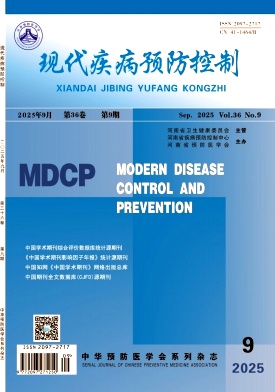
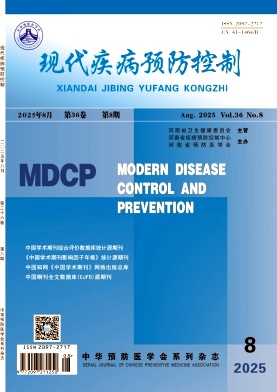
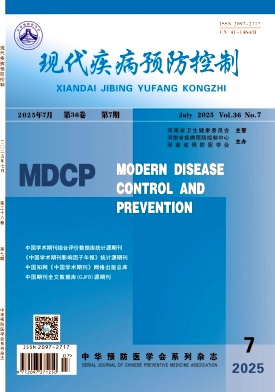
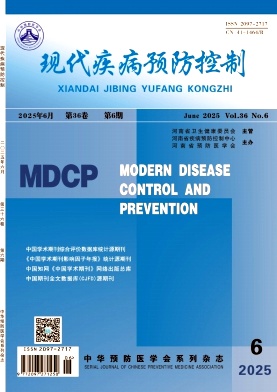
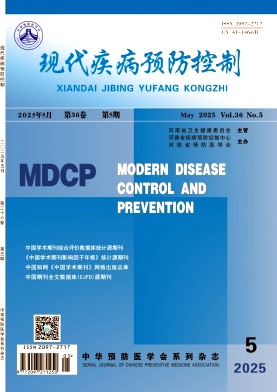
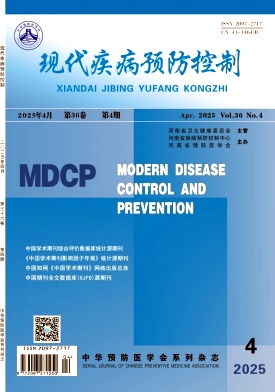
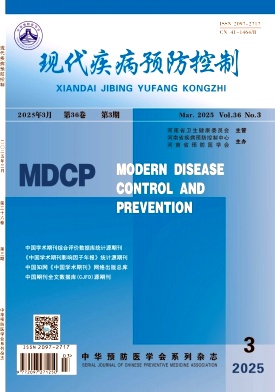
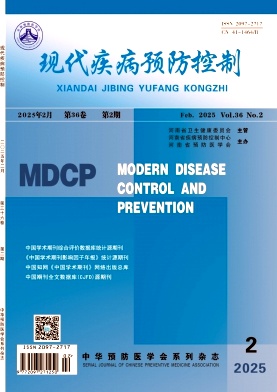
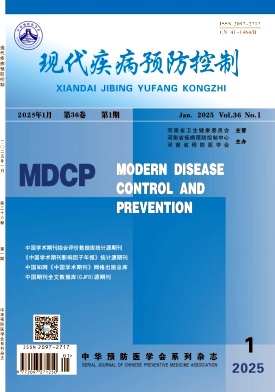
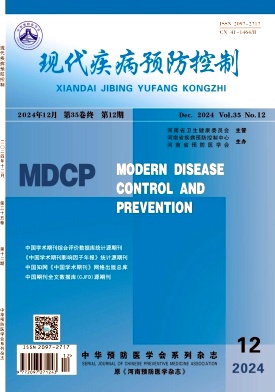
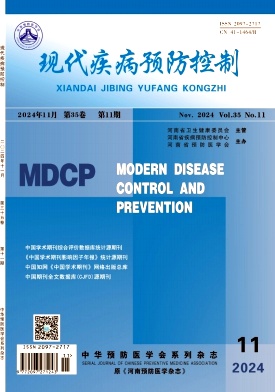
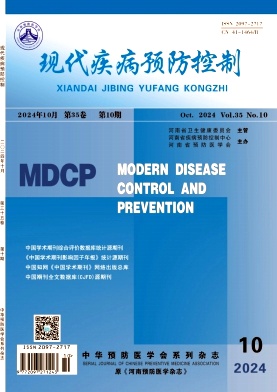
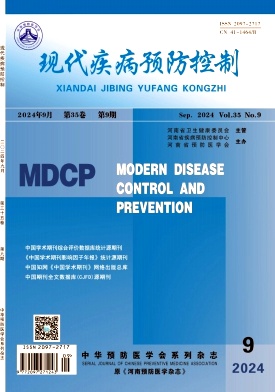
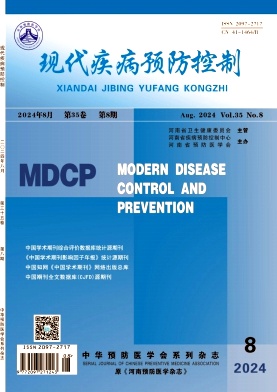
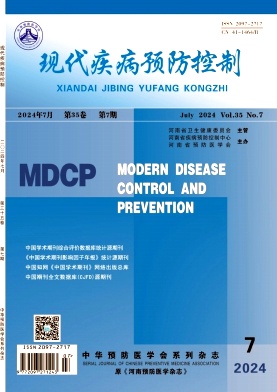
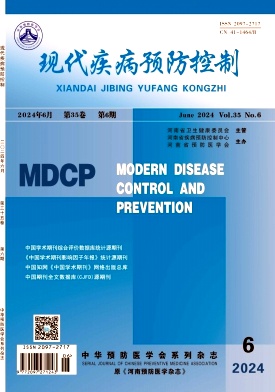
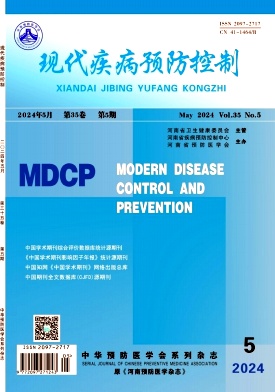
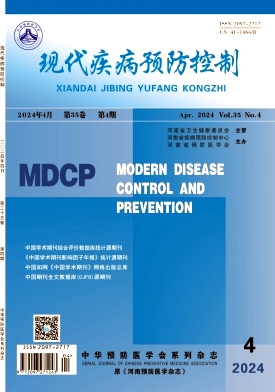
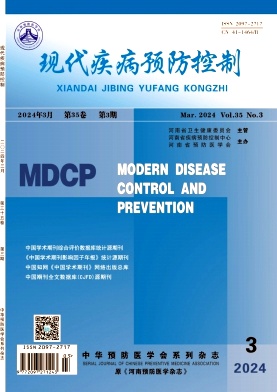
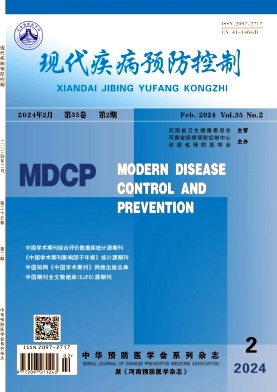
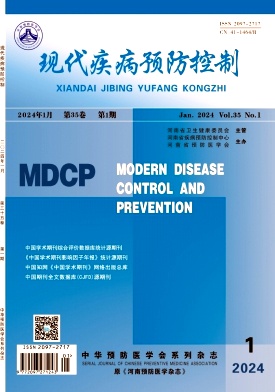
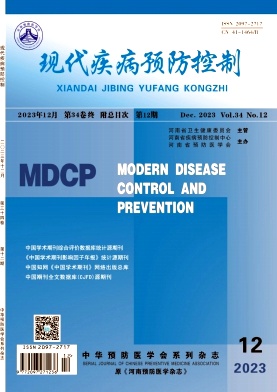
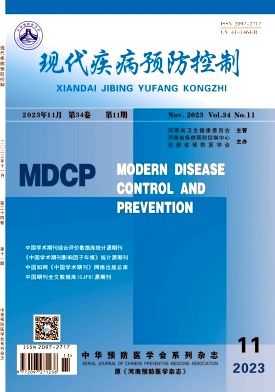
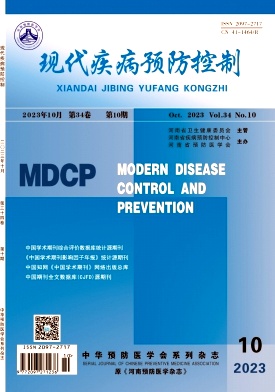
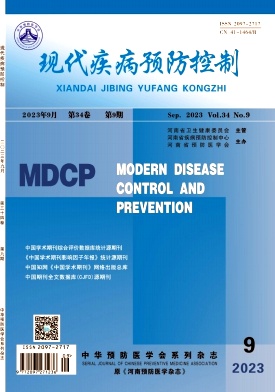
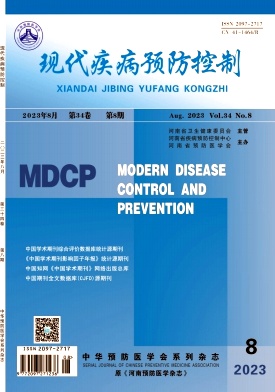
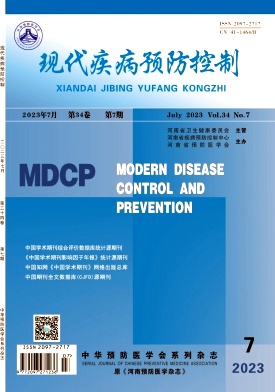
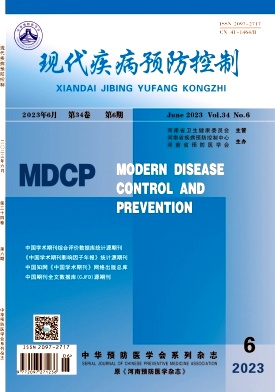
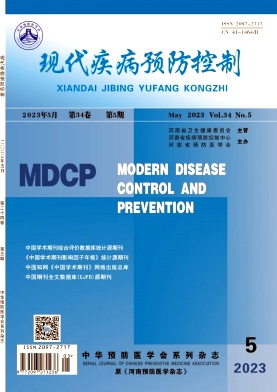
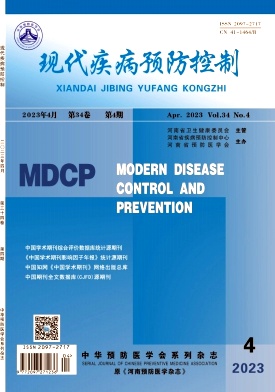
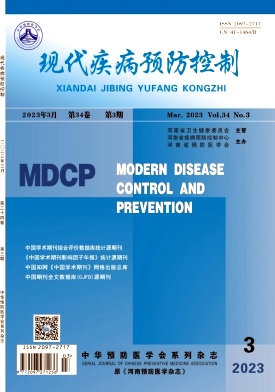
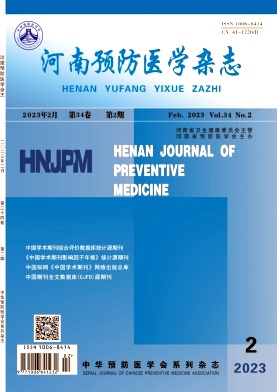
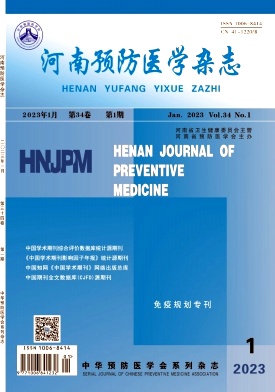
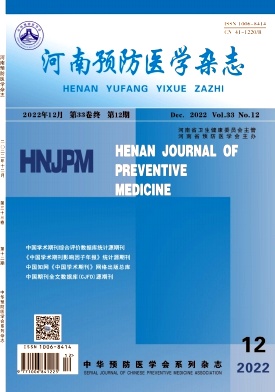
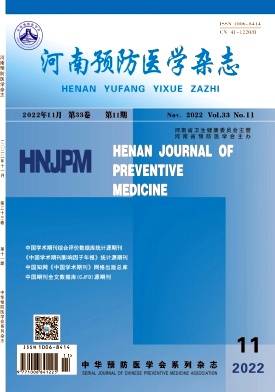
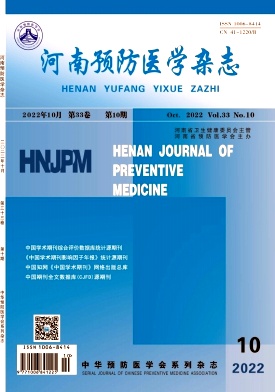
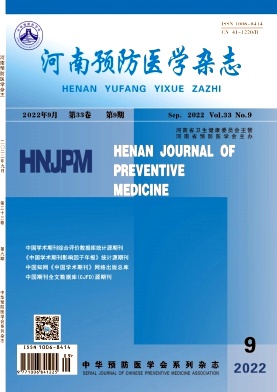
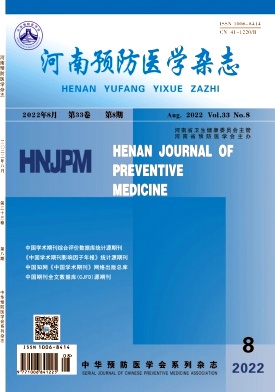
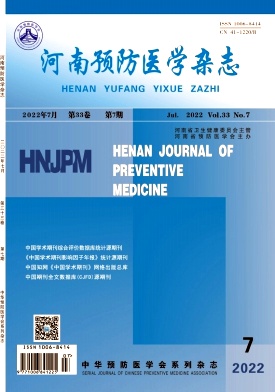
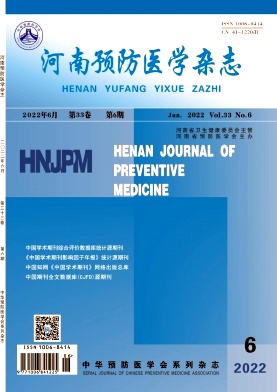
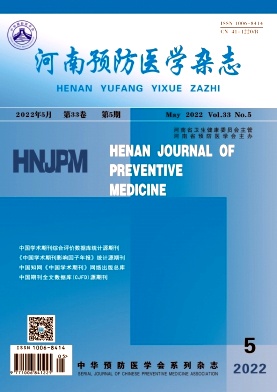
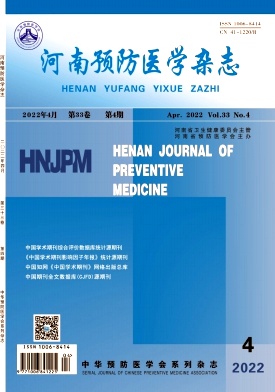
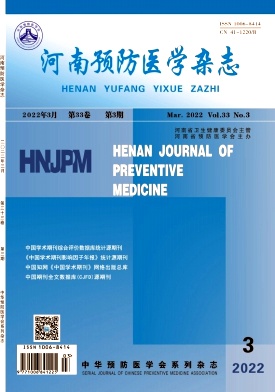
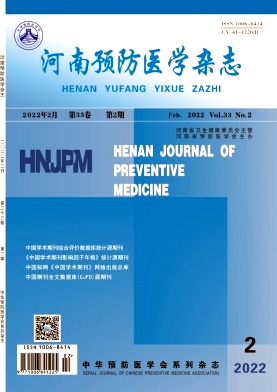
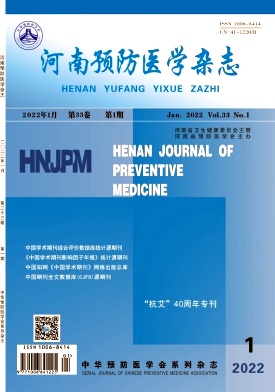
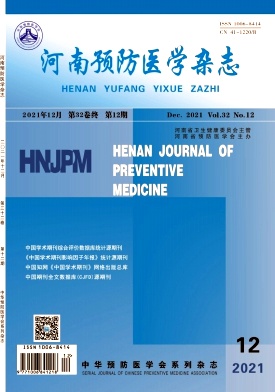
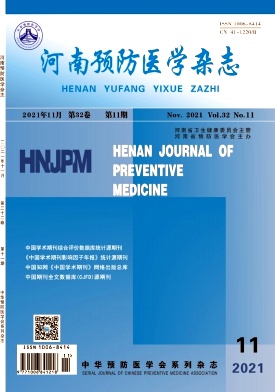
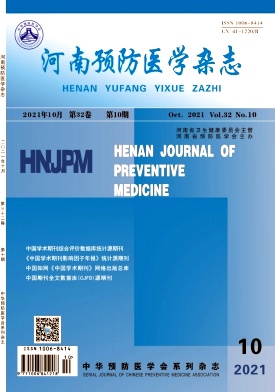
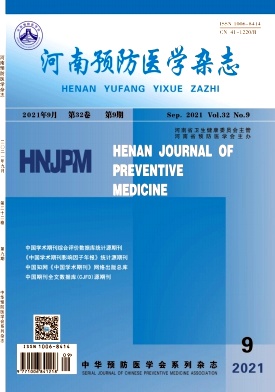
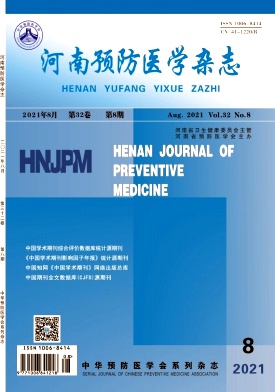
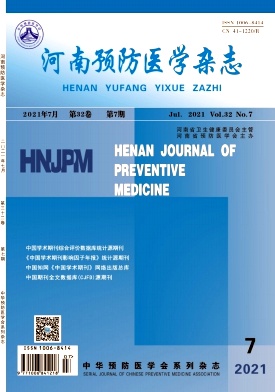
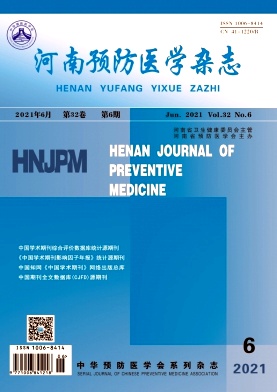
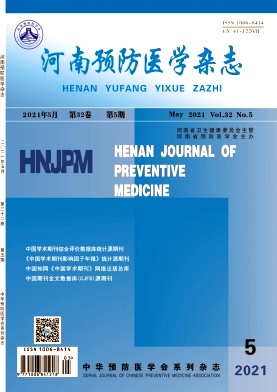
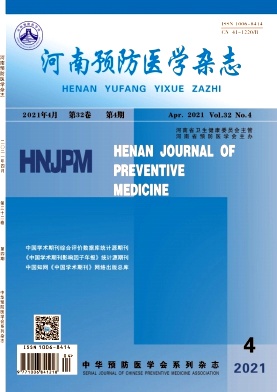
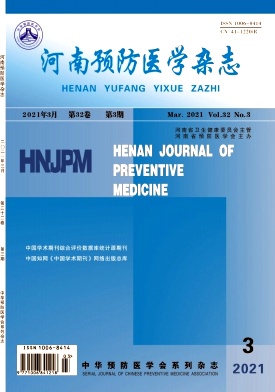
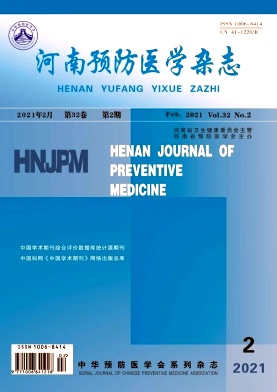
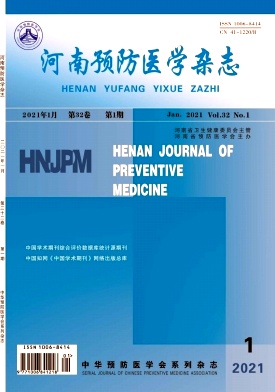
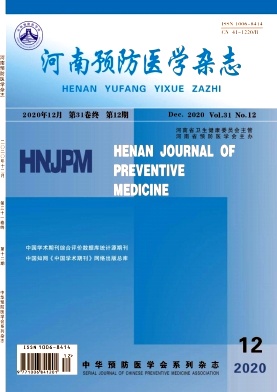
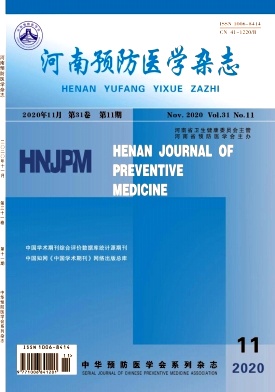
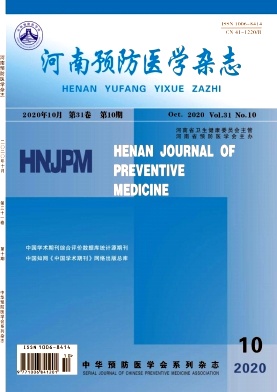
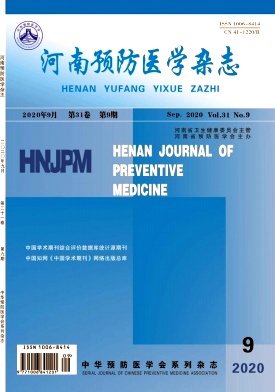
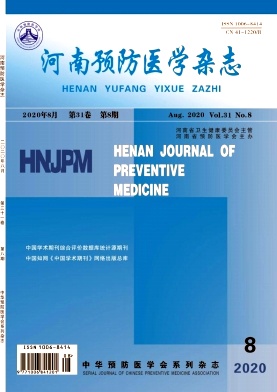
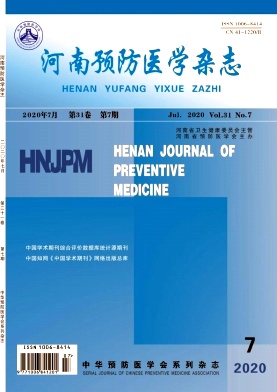
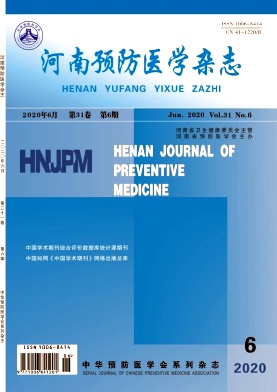
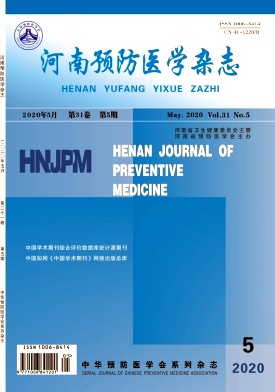
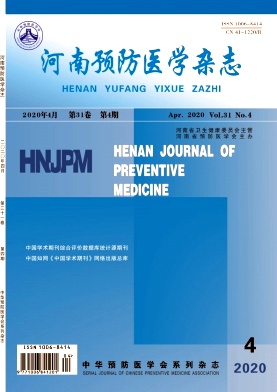
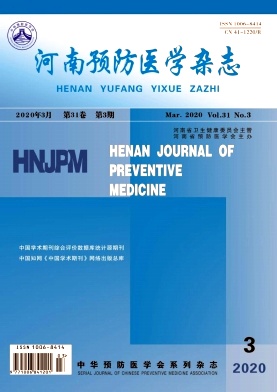
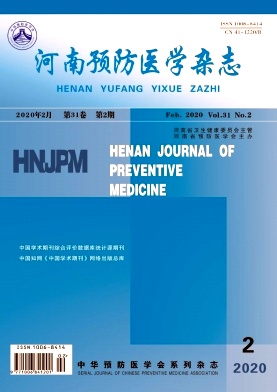
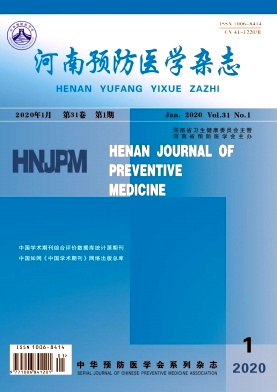
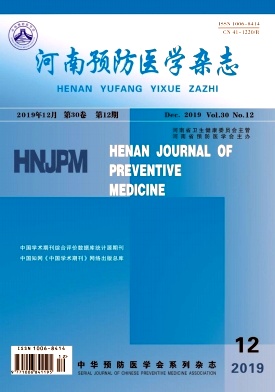
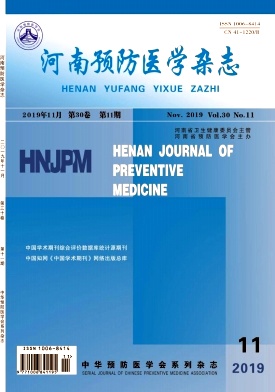
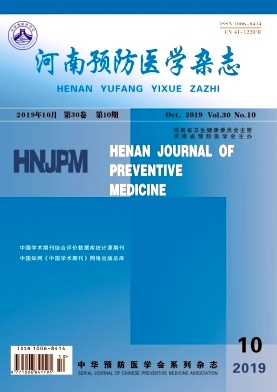
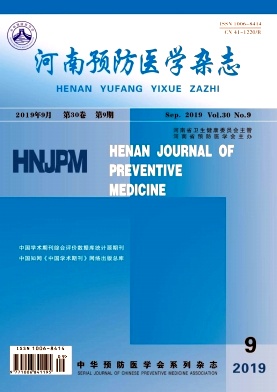
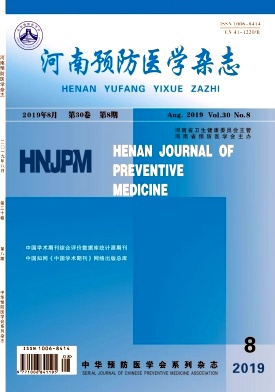
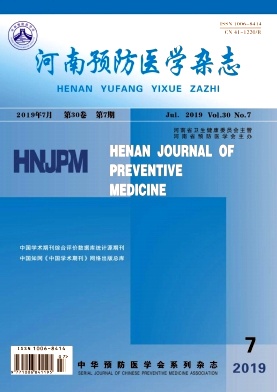
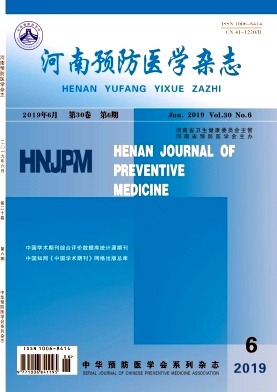
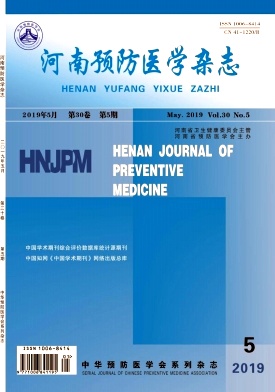
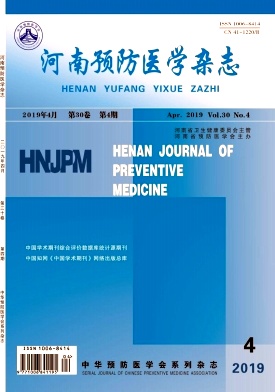
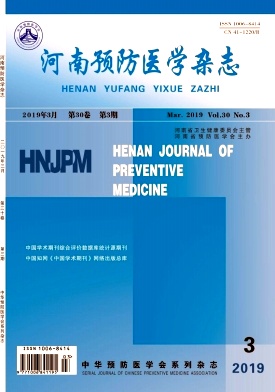
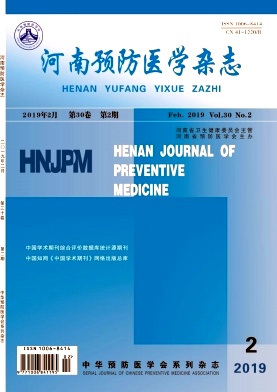
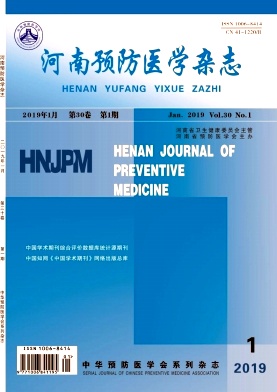
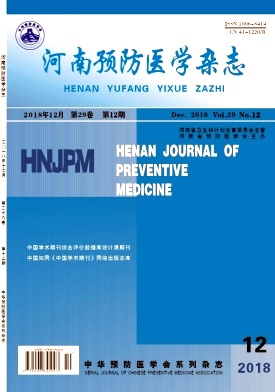
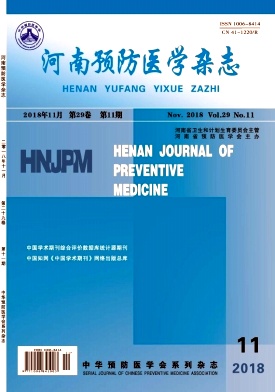
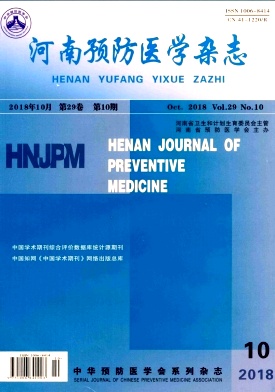
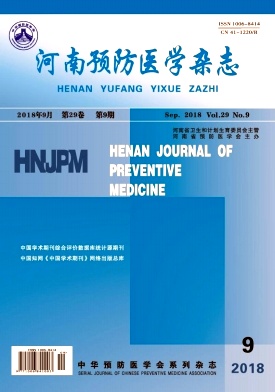
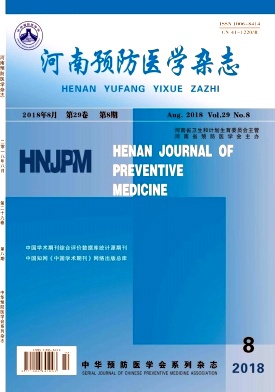
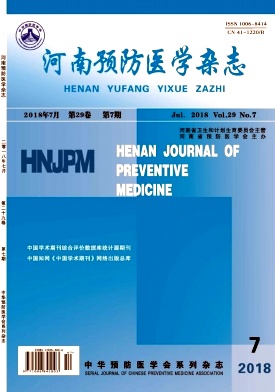
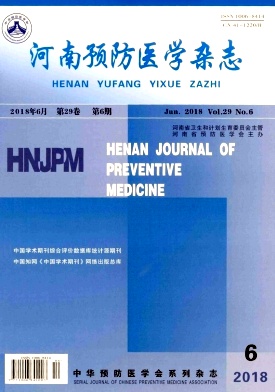
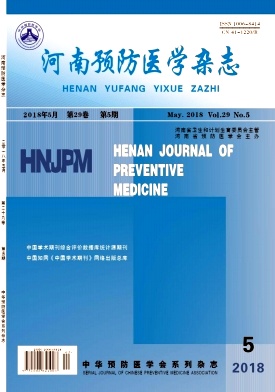
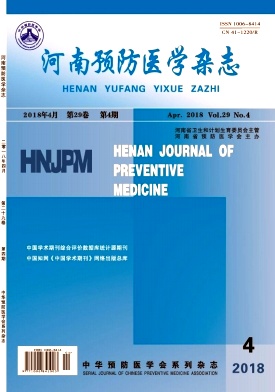
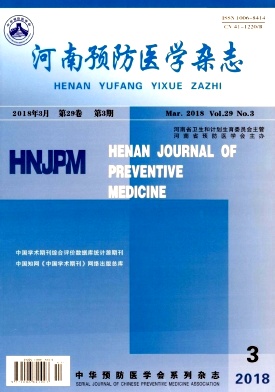
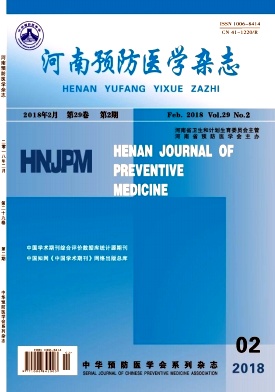
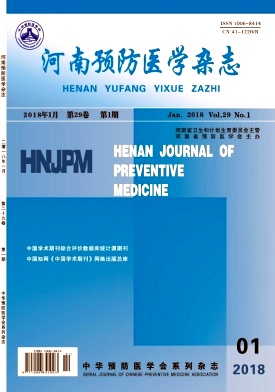
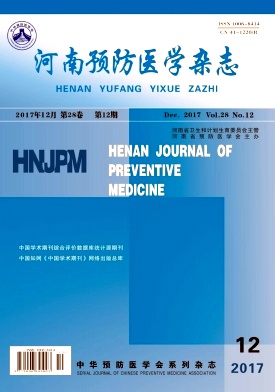
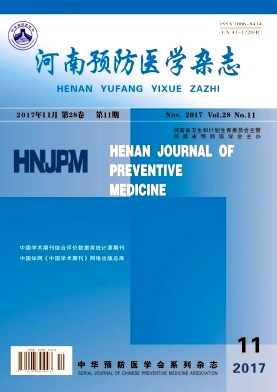
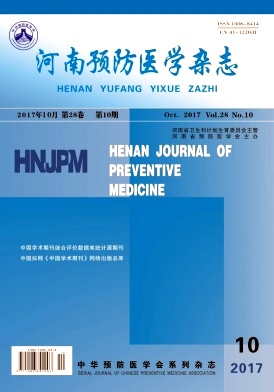
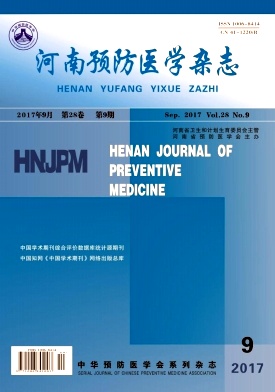
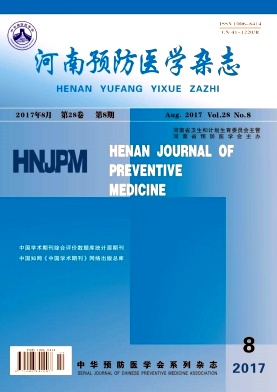
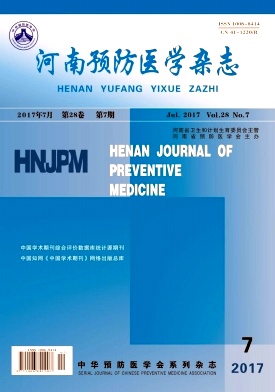
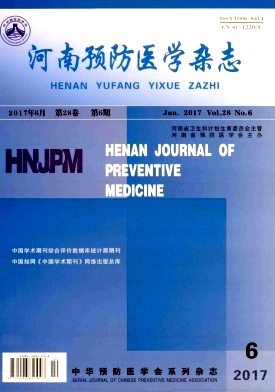
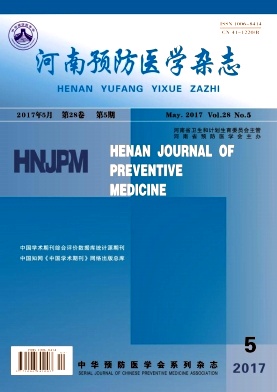
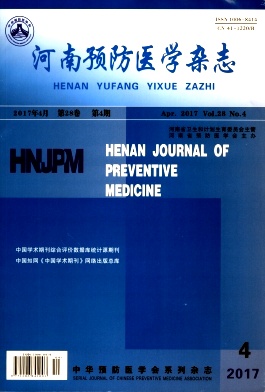
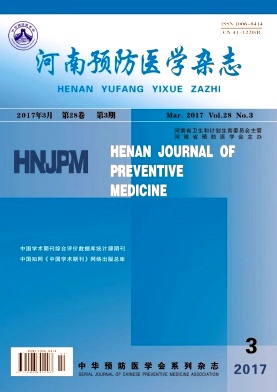
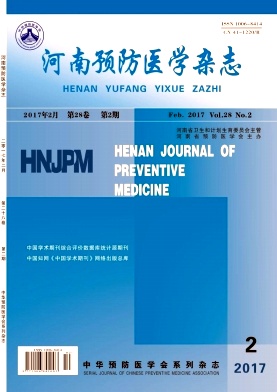
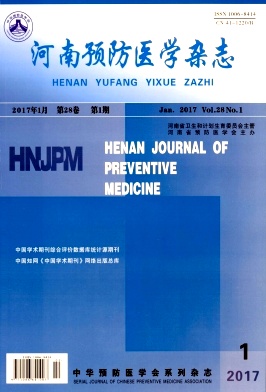
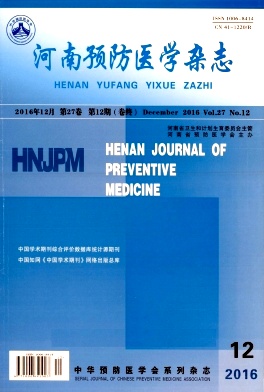
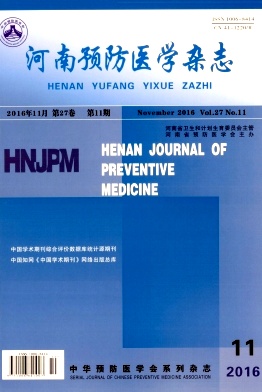
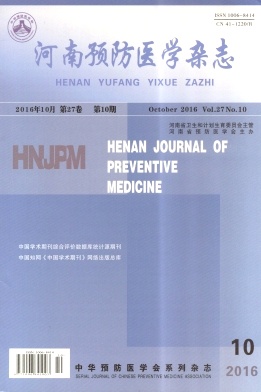
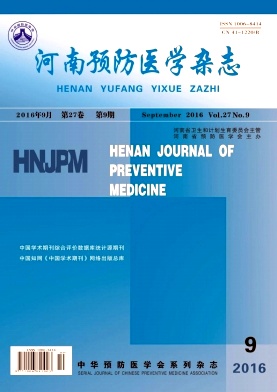
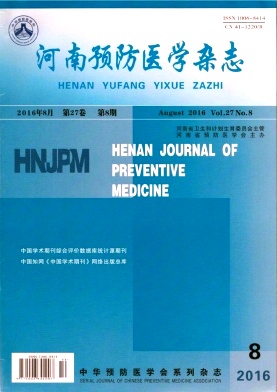
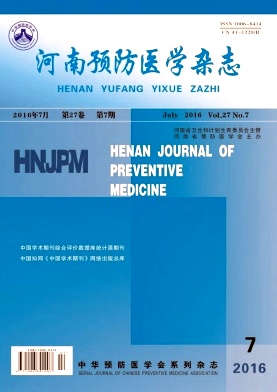
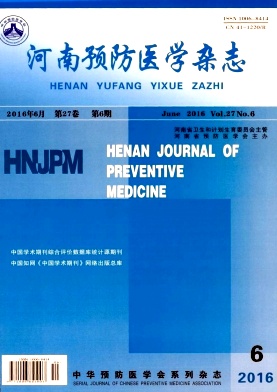
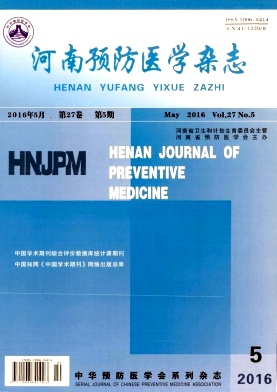
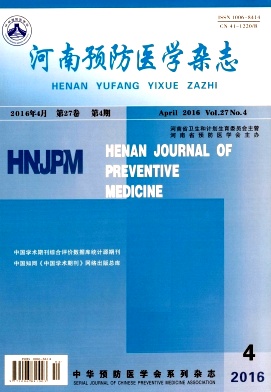
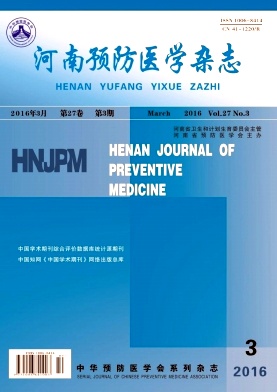
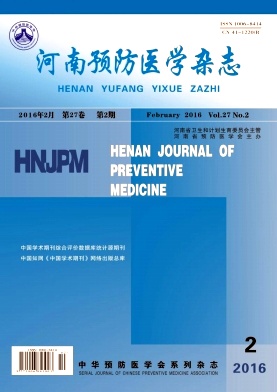
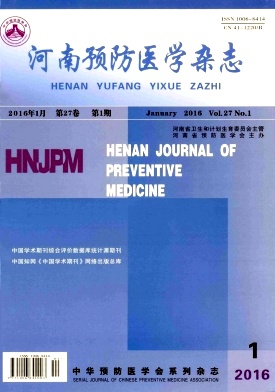
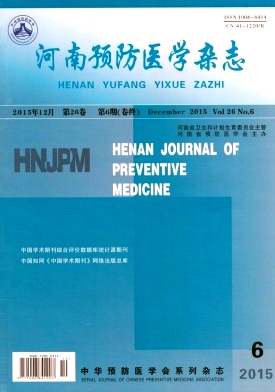
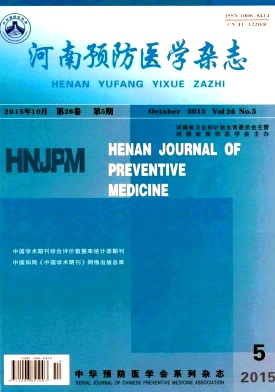
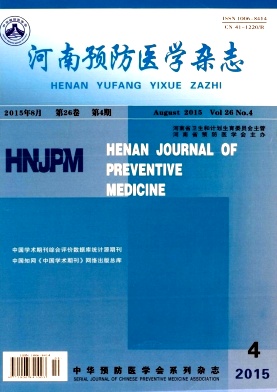
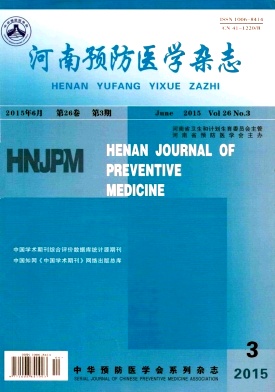
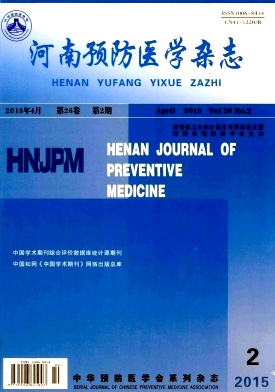
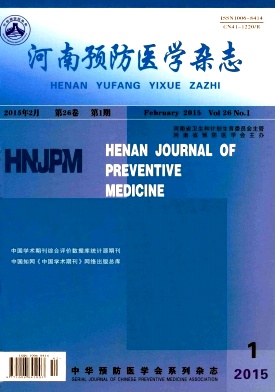
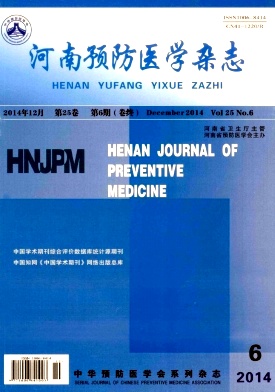
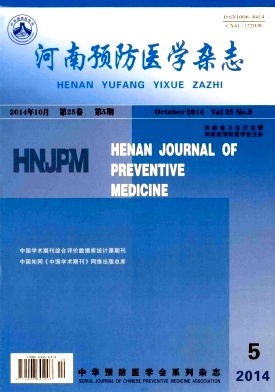
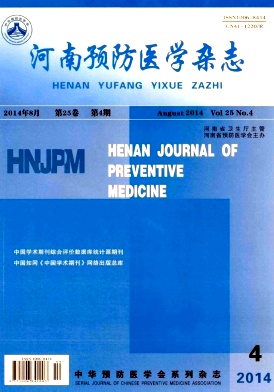
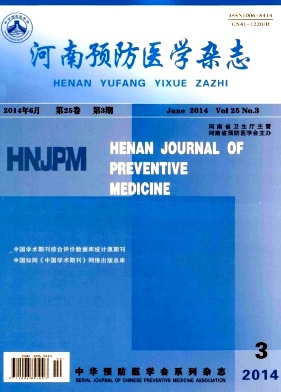
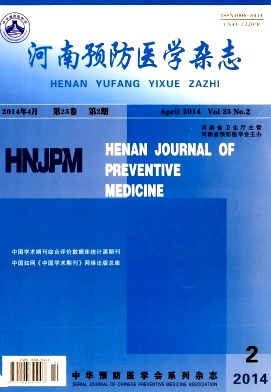
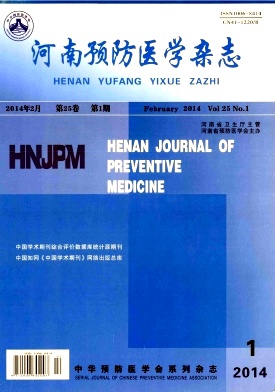
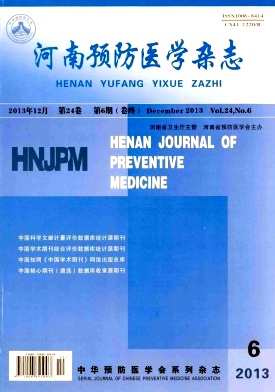
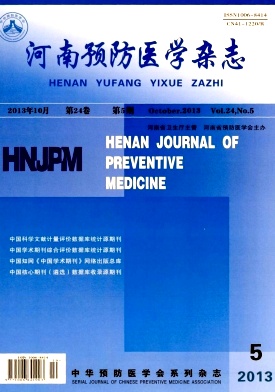
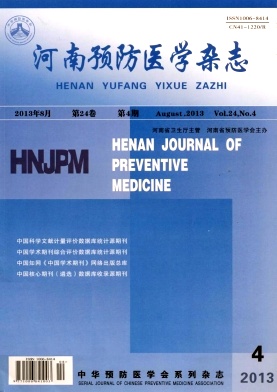
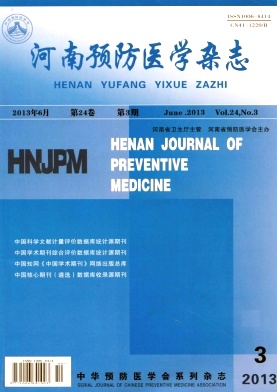
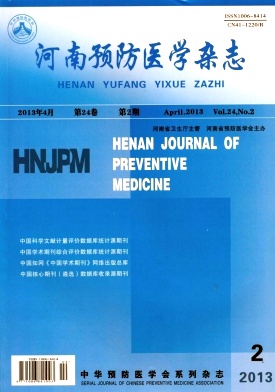
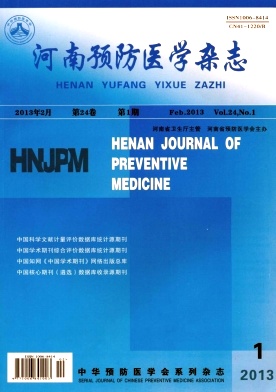
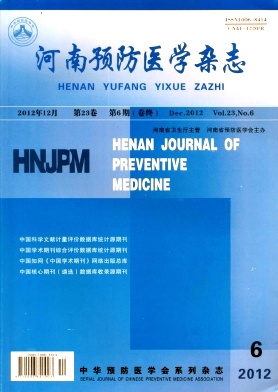
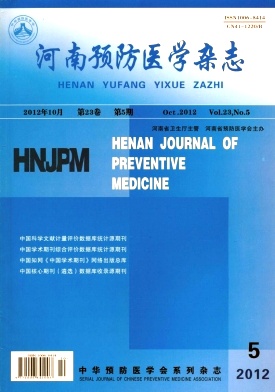
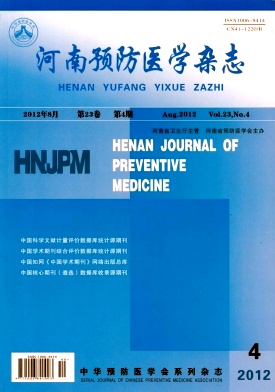
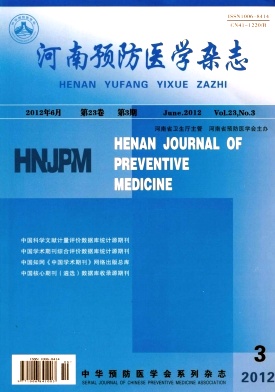
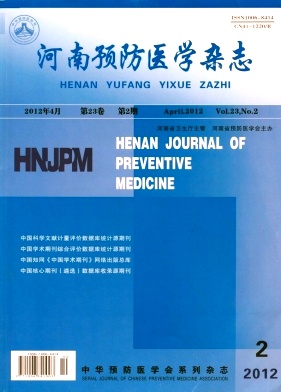
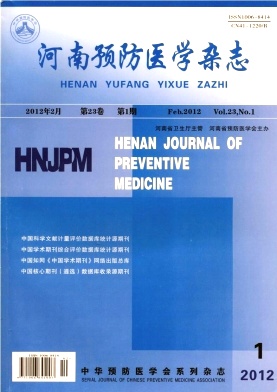
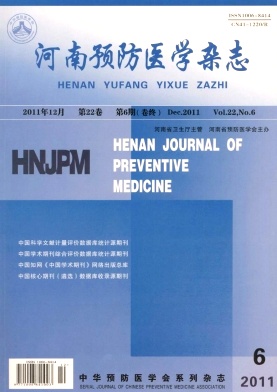
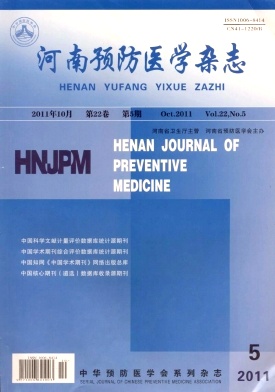
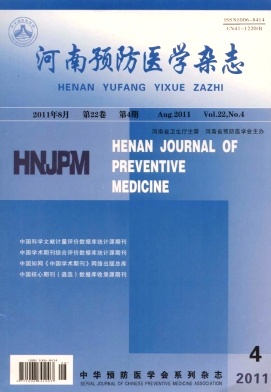
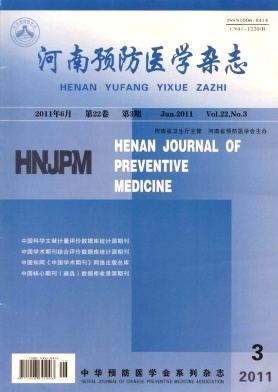
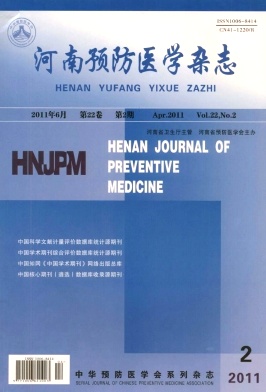
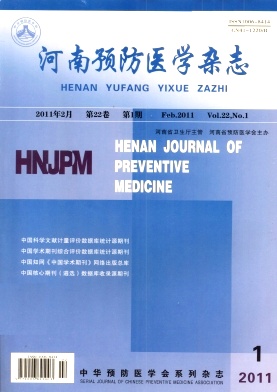
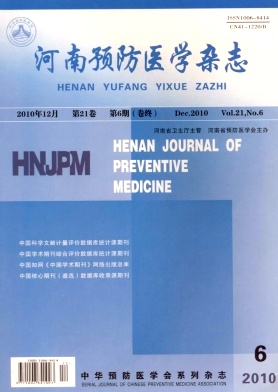
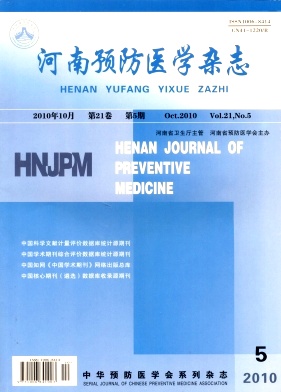
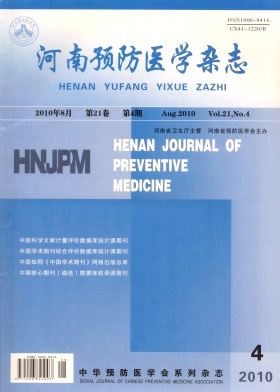
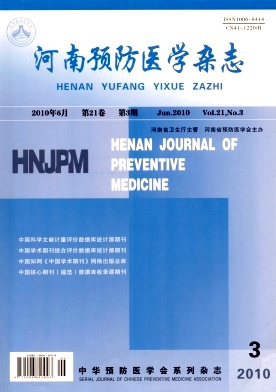
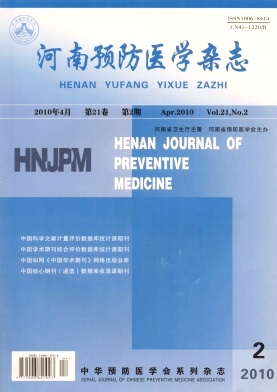
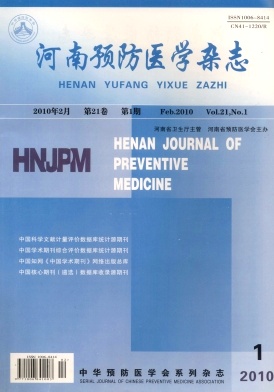
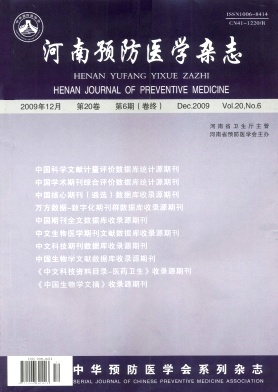
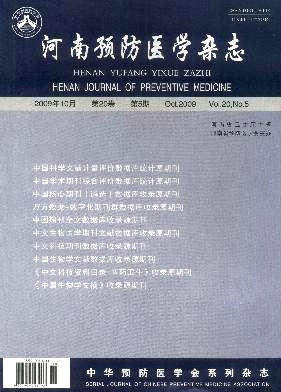
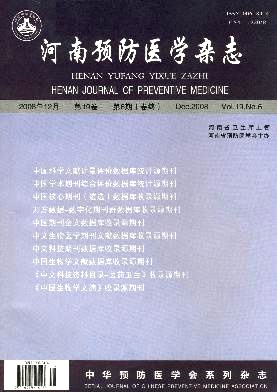
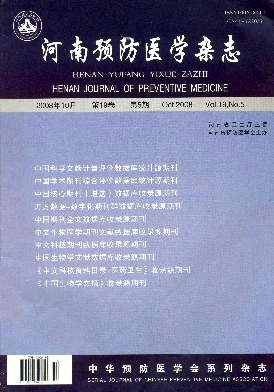
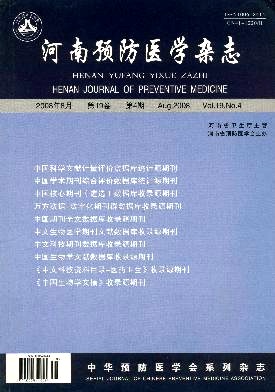
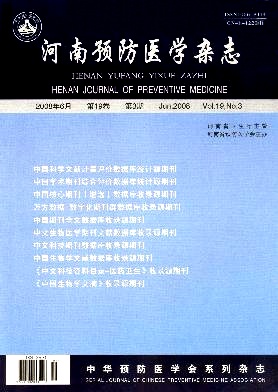
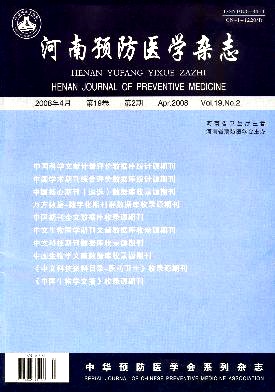
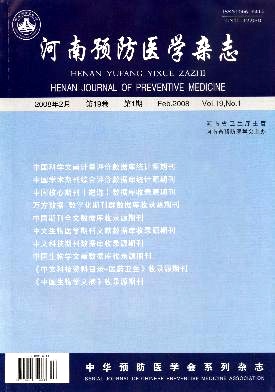
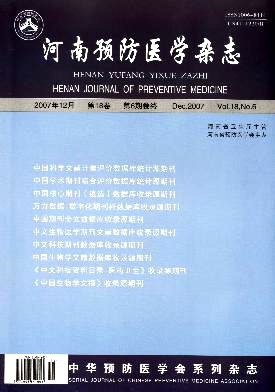
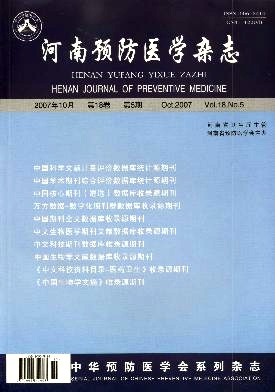
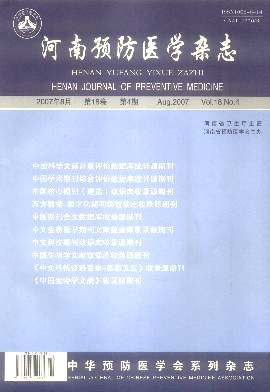
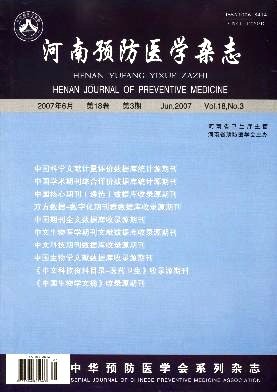
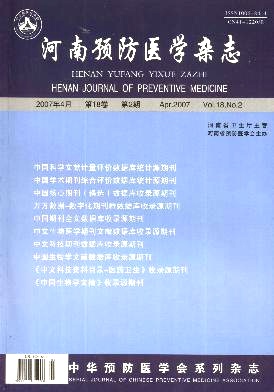
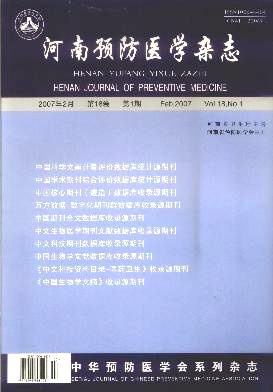
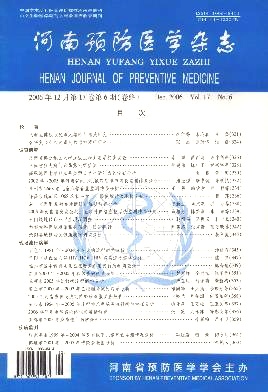
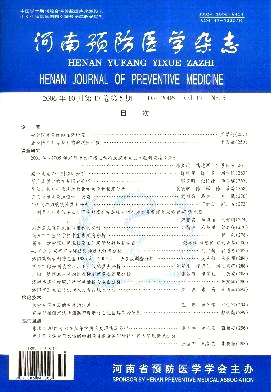
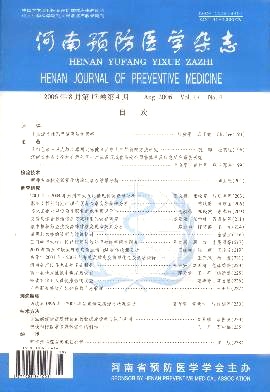
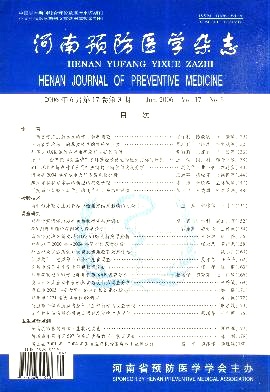
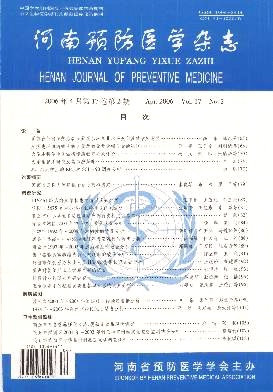
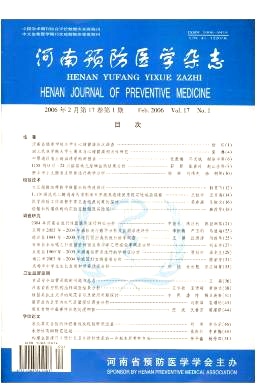
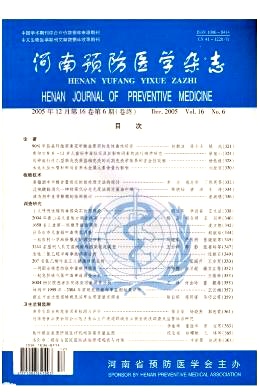
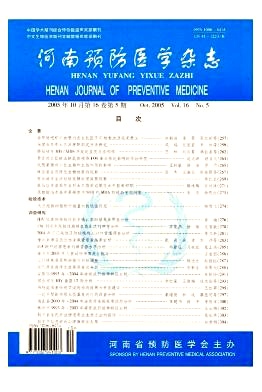
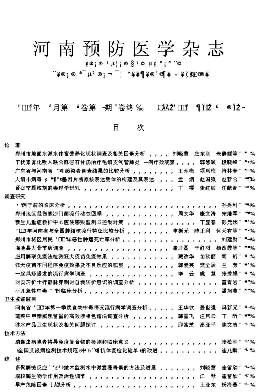
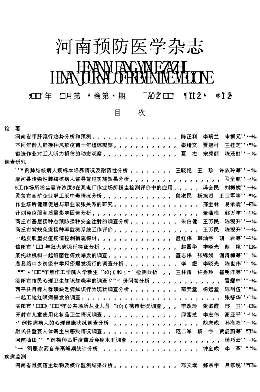
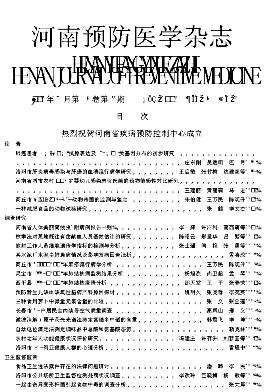
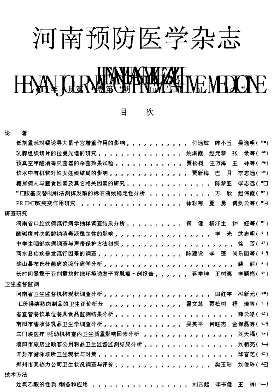
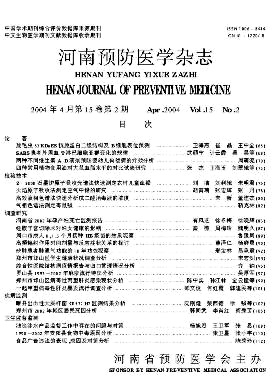
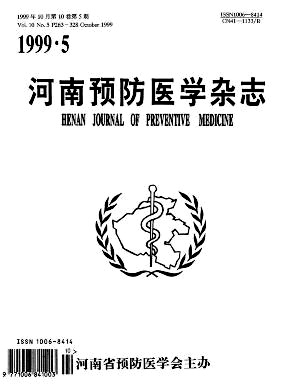
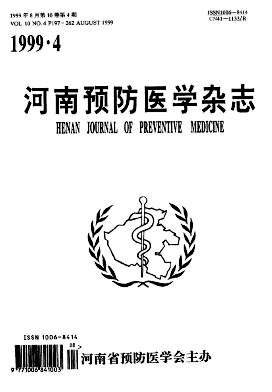
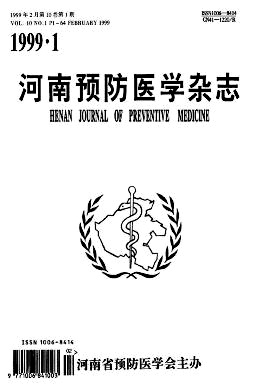
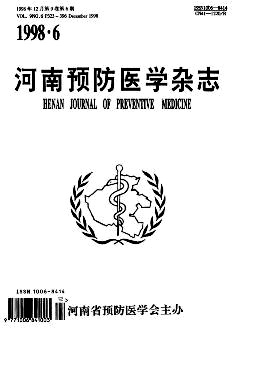
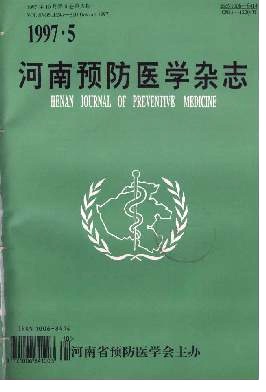
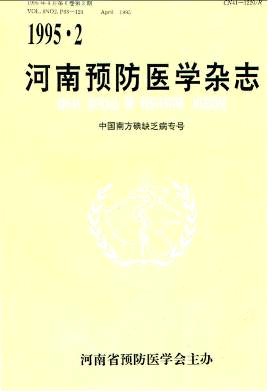
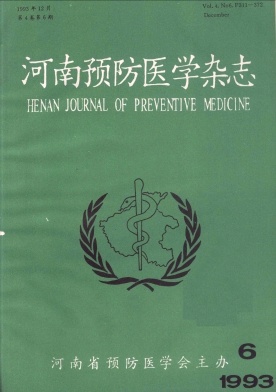
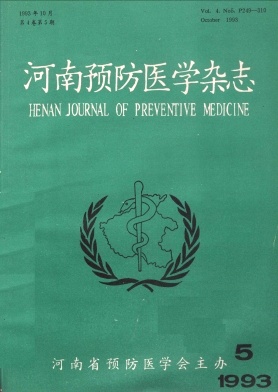
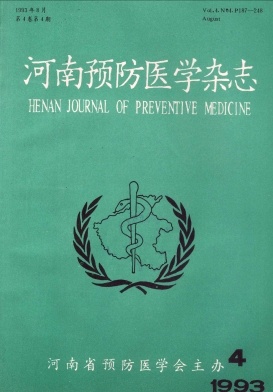
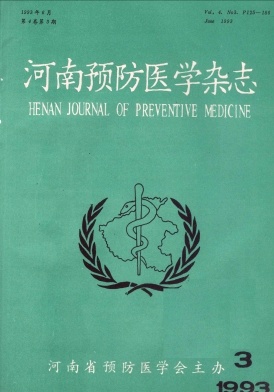
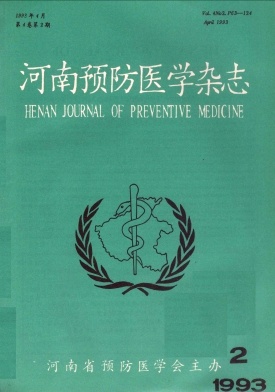
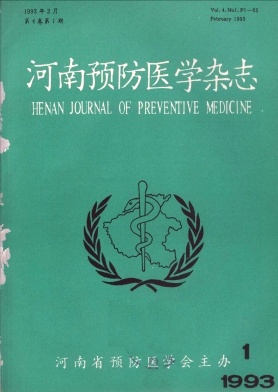
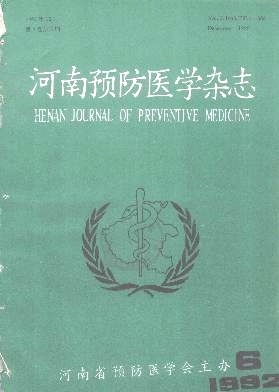
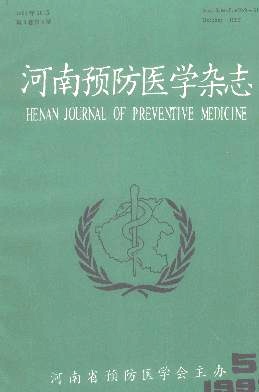
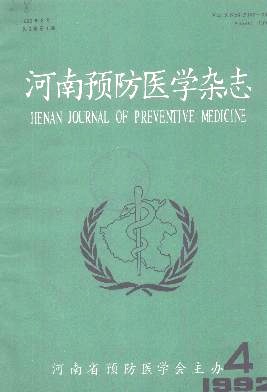
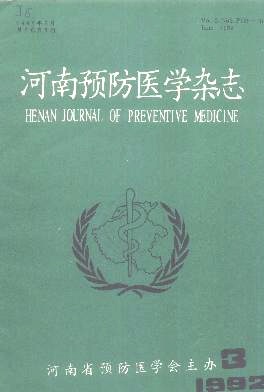
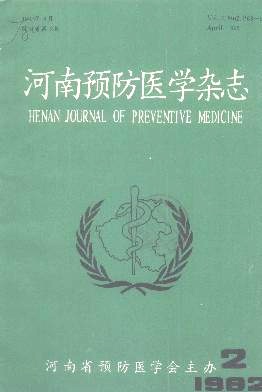
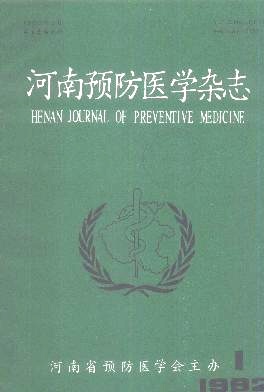
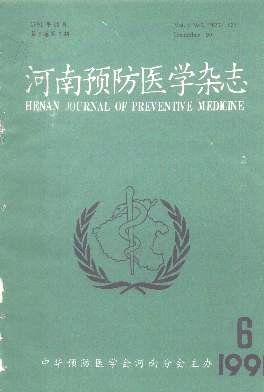
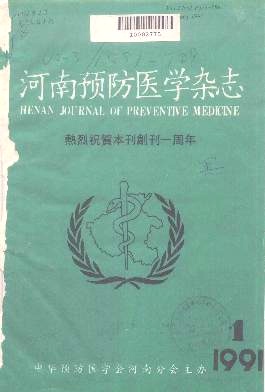
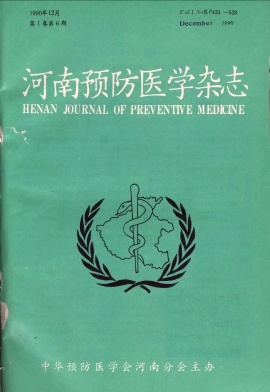
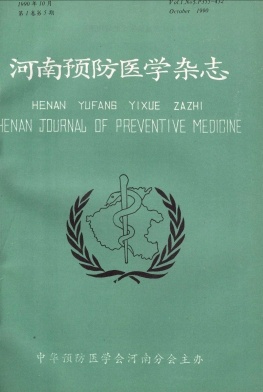
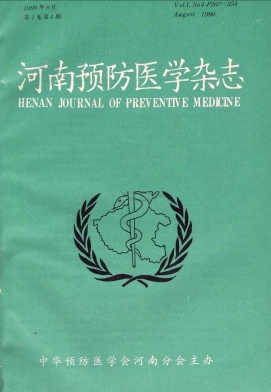
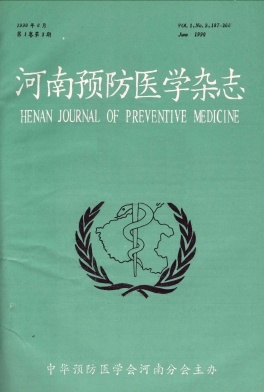
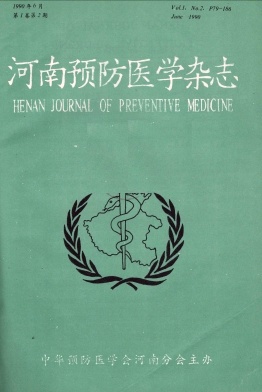
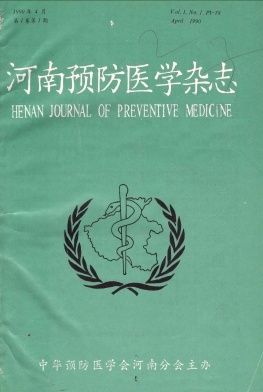
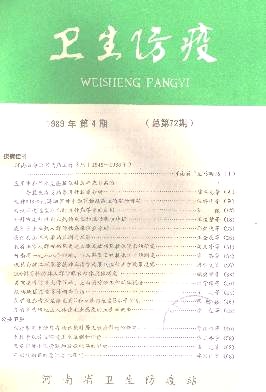
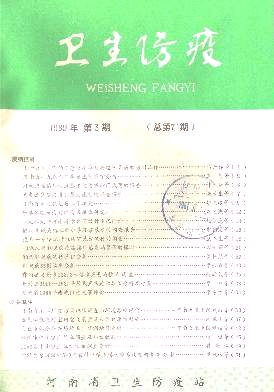
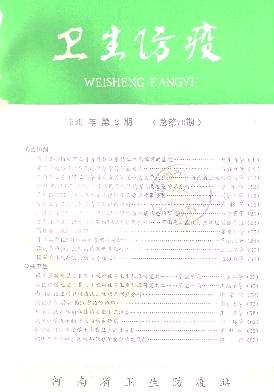
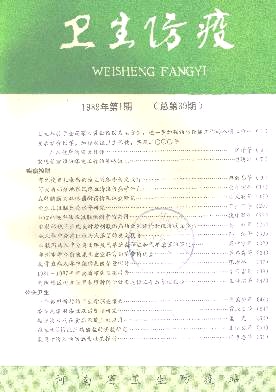
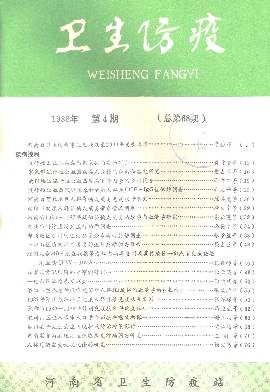
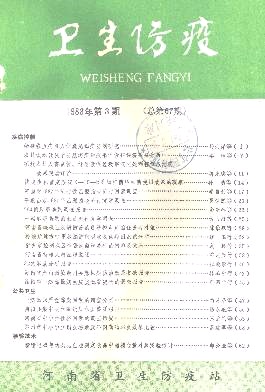
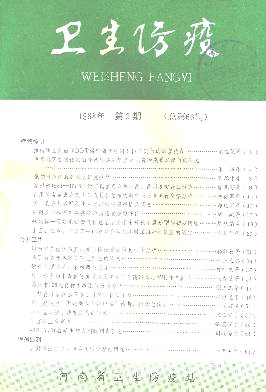
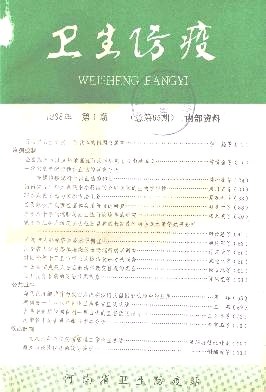
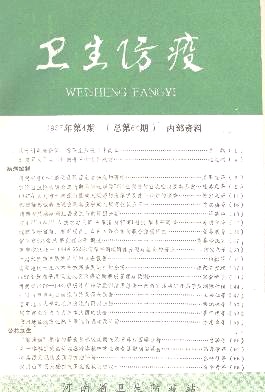
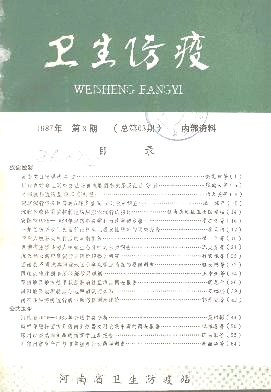
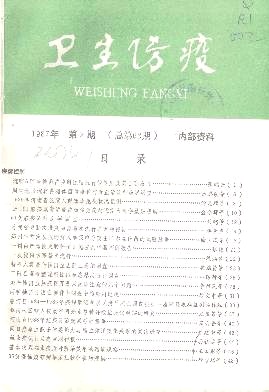
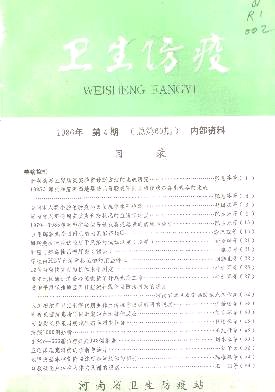
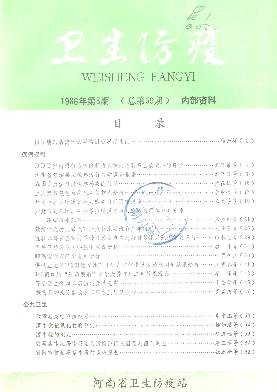
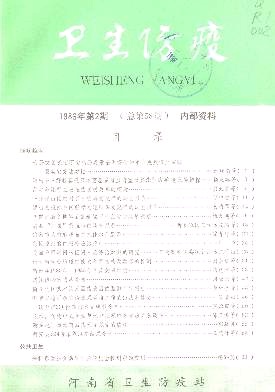
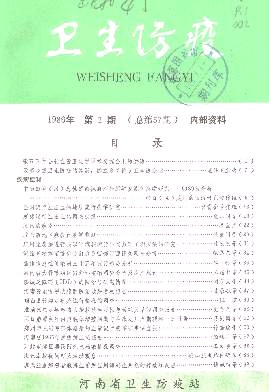
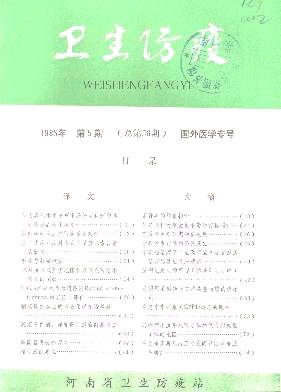
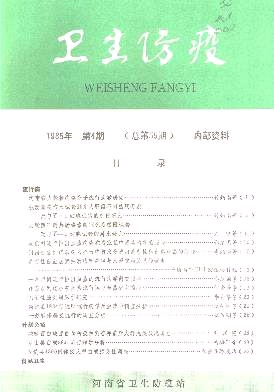
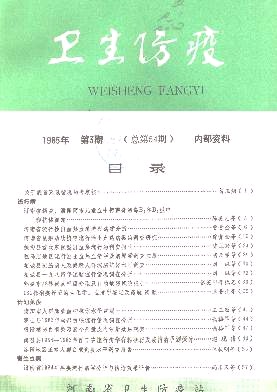
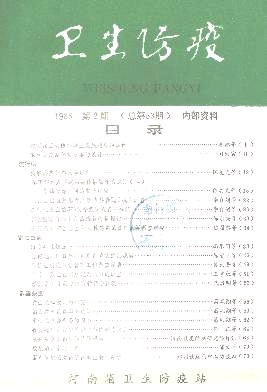
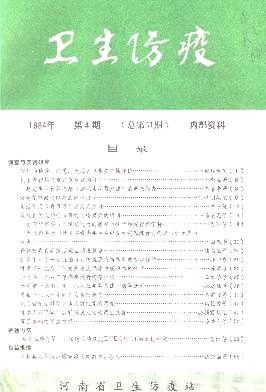
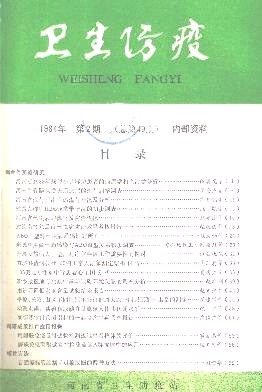
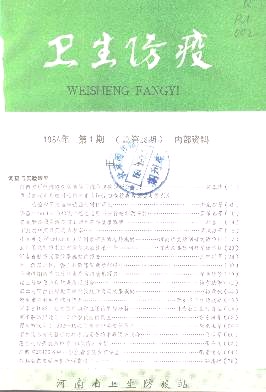
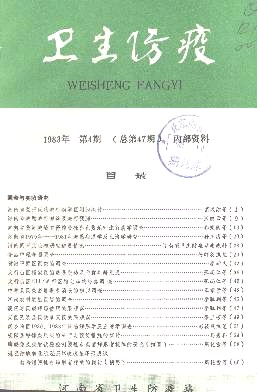
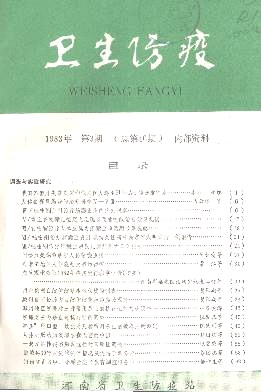
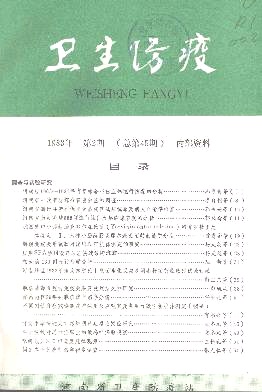
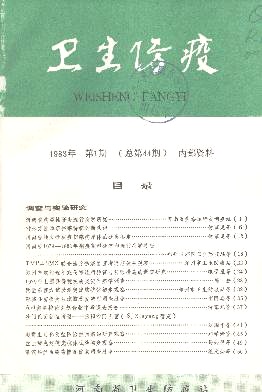
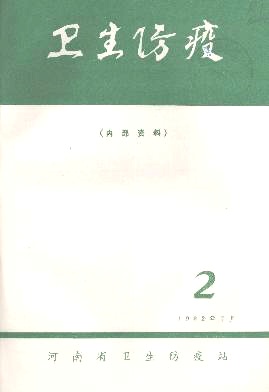
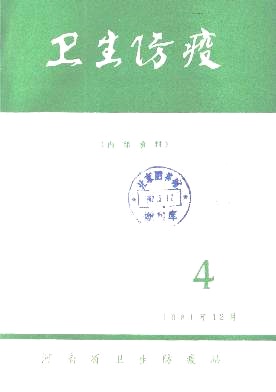
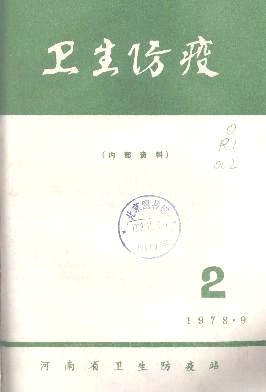
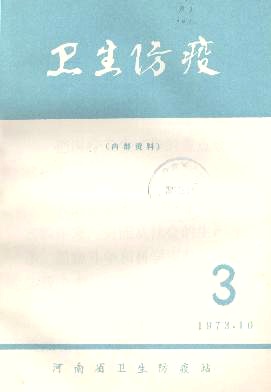
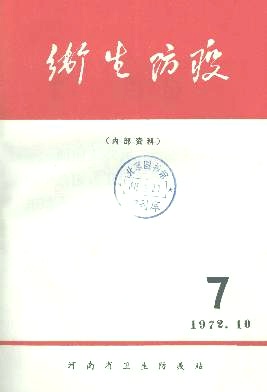
Modern Disease Control and Prevention was founded in 1972 under the original title Henan Journal of Preventive Medicine. The journal is governed by the Health Commission of Henan Province. It is sponsored by the Henan Provincial Center for Disease Control and Prevention and the Henan Preventive Medicine Association. In 1997, it was included in China Academic Journals (CD-ROM Edition). In 2000, it received the “Outstanding Award for Implementing the Specifications of Retrieval and Evaluation” of China Academic Journals (CD-ROM Edition). In the same year, it was indexed in the Wanfang Digital Journals Group, the SinoMed, and the Chinese Scientific Journals Database. In 2001, it was included in the Chinese Core Journals (Selection) Database. In 2006, it joined the series of journals of the Chinese Preventive Medicine Association. It won the “Outstanding Progress Award” (2007–2008) and the “Third Prize for Excellent Journals” (2011–2012) in the series of journals of the Chinese Preventive Medicine Association. The Journal aims to serve the development of the national economy and the policy of “prevention first” in public health, to disseminate new theories, technologies, and achievements in preventive medicine from both domestic and international sources, to promote the exchange of preventive medicine information domestically and internationally, and to contribute to the development and academic exchange of preventive medicine.
Epidemiological characteristics and trends of school public health emergencies in Henan Province, 2006—2025
ZHANG Yu;HUANG Jiamin;SUN Xiangyuan;LIU Ke;WANG Panpan;WANG Mengru;WANG Hao;QI Haihui;LI Menglei;YOU Aiguo;Objective To analyze the epidemiological characteristics of school public health emergencies in Henan Province from2006 to 2025, and to provide a reference for scientifically responding to such emergencies. Methods Data on school public health emergencies reported in Henan Province from 2006 to 2025 were collected. Descriptive epidemiological methods were used to analyze the epidemiological characteristics. The χ2 test was employed to compare rate differences, the Kruskal-Wallis H test was used for multi-group comparison, Joinpoint regression was performed for time trend analysis, and Spearman correlation analysis for examining associations. Results A total of 571 school public health emergencies were reported in Henan Province from 2006 to2025, involving 18 889 cases, with an attack rate of 2.40%. Infectious diseases accounted for 91.59%(523 incidents) of all events,among which respiratory infectious disease were predominant, comprising 480 cases(91.78% of all infectious disease events). The incidence of school public health emergencies in Henan Province showed an overall continuous downward trend(AAPC=-10.80%,P<0.05). Peaks in event reporting occurred from March to June and from September to December. The attack rate was higher in rural schools(2.67%) than in urban schools(2.49%) and township schools(1.87%)(χ2=364.728, P<0.05). Primary schools were the main setting for events, with 323 cases reported, accounting for 56.57% of the total. There was a positive correlation between intervention time and event duration(r=0.693, P<0.05). Conclusions Respiratory infectious diseases are the main type of school public health emergencies in Henan Province from 2006 to 2025. Rural schools and primary schools are the key priorities for prevention and control. Moreover, the timing of intervention implementation affects event duration. It is essential to strengthen surveillance and achieve early detection and early response to outbreaks.
Association between sleep status and hypertension among children and adolescents aged 6-17 in Henan Province
WANG Mengwei;ZHANG Zilu;YAN Yali;TIAN Huizi;GAO Li;WANG Ke;FENG Shixian;Objective To investigate the sleep status and the prevalence of hypertension among children and adolescents aged 6-17 years in Henan Province, and to explore the association between sleep status and hypertension. Methods From February to November 2023, a multi-stage stratified random cluster sampling method was used to select 108 schools(36 primary schools, 36 junior high schools, and 36 senior high schools) in Henan Province, involving 29 109 students. Information on socio-demographics, sleep status, and blood pressure levels was collected through questionnaires and physical examinations. The chi-square test and multivariate logistic regression models were used to analyze the association between sleep status and the risk of hypertension. Results The average daily sleep duration among children and adolescents aged 6-17 years in Henan Province was(8.76 ± 1.75)hours/day. The rate of insufficient sleep was 36.4%; the rates among primary, junior high, and senior high school students were10.7%, 46.6% and 90.0% respectively. The detection rate of hypertension was 7.1%, the rates among primary, junior high, and senior high schools were 6.3%, 6.8% and 9.9%, respectively. The prevalence of insufficient sleep and the detection rate of hypertension both showed an increasing trend with advancing school grade(χ2=11 362.707 and 69.206, respectively; both P<0.05).After adjusting for confounding factors, including gender, age, difficulty falling asleep, and bedtime, snoring(OR=1.689, 95%CI:1.473-1.936) and insufficient sleep(OR=1.163, 95%CI: 1.002-1.350) were associated with hypertension. Conclusions In Henan Province, insufficient sleep duration was notably prominent among children and adolescents aged 6-17 years, and its prevalence increases significantly with rising school grade. Snoring and insufficient sleep are significant risk factors for hypertension in this population. Enhanced efforts are needed to cultivate healthy sleep habits among children and adolescents to prevent and control hypertension.
Radon exposure and occupational health effects among non-uranium,non-coal metal miners in Henan Province
ZHAO Yanfang;CHENG Yuanbo;WEI Kunjie;LIAO Wei;HAN Lin;WANG Ping;WANG Xin′ai;ZHOU Luming;Luoyang Center for Disease Control and Prevention;Objective To analyze radon exposure levels and occupational health status among non?uranium and non-coal metal miners in Henan Province, and to provide a scientific basis for developing targeted protective strategies and health management measures. Methods From 2023 to 2025, a cross-sectional survey was conducted among 128 male miners from two gold mines in Henan Province. Data on basic characteristics, radon exposure, and occupational health indicators were collected. A multiple regression model was employed to analyze the relationship between radon exposure dose and health outcomes. Results The mean(± SD) radon concentration was(2 102±822) Bq/m3 for underground workplaces and(124±44) Bq/m3 for above-ground areas. The mean annual committed effective dose from radon in the underground group [(3.05±2.07) m Sv] was significantly higher than that in the above-ground group [(0.55±1.20) mSv](t=-8.33, P<0.001). No significant differences were observed between the two groups in white blood cell count, detection rate of lens opacity, or detection rate of pulmonary dysfunction(all P>0.05). However,the detection rate of lung inflammation or nodules on CT scans was significantly higher in the underground group(χ2=4.73, P<0.05). After adjusting for confounding factors including age, working years, smoking, drinking, and BMI, multivariate analysis showed that individual radon exposure dose was significantly associated with pulmonary dysfunction. The OR(95% CI) for the increased riskof pulmonary dysfunction per i mSv increment was 1.42(1.15-1.77). Conclusions Radon exposure in non-uranium and non-coal metal miners may affect their pulmonary health, necessitating enhanced protective measures. Additionally,attention should be given to above-ground personnel in areas with elevated radon concentrations, and corresponding intervention measures should be implemented.
Incidence trends and time-series forecasting of acute myocardial infarction in Luoyang City, 2019-2025
WANG Xiaohong;MA Kai;XU Liyang;YAN Yunyan;GAO Duan;YUE Suping;Objective To analyze the epidemiological trends of acute myocardial infarction(AMI) incidence among registered residents of Luoyang City from 2019 to 2025, predict future incidence, and provide evidence for evaluating AMI prevention measures and adjusting control strategies. Methods AMI incidence data were collected from the Henan Province Chronic Disease Surveillance Information Management Platform. Descriptive statistical analysis was performed using SPSS 22.0. Joinpoint 5.1.0 software was employed to fit a log-linear model, and the average annual percentage change(AAPC) with its 95% confidence interval(CI) was calculated to analyze incidence trends by sex, urban/rural residence, and age group. Time series analysis was performed using R 4.4.1 software to predict the incidence in 2026. Results From 2019 to 2025, a total of 43 830 AMI cases were reported(30 750 males, 13 080 females), with a mean crude incidence of 84.22/105(male: 116.03/105; female: 51.21/105; urban:115.78/105; and rural: 74.51/105, respectively). The age-standardized rate using the Chinese standard population was 66.47/105(male: 97.65/105; female: 34.35/105; urban: 80.28/105; and rural: 61.46/105, respectively), and the age-standardized rate using the world standard population was 50.74/105(male: 74.71/105; female: 26.05/105; urban: 61.24/105; and rural: 46.95/105, respectively). The overall AMI incidence trend remained stable; but significant increase was observed among males, the crude and China age-standardized incidence in males showed an upward trends(AAPC=6.027% and 4.232%, respectively; both P<0.05), whereas the world age-standardized incidence in females showed a downward trend(AAPC =-5.669%, P <0.05). In the total population and among males, incidence in younger age groups(<35, 35-<45 and 45-<55 years) showed significant increasing trends(AAPC for total population: 10.669%, 9.103% and 4.047%, respectively; AAPC for males: 10.960%, 10.871% and 6.106%, respectively; all P < 0.05). In contrast, incidence among females in the 65-<75 and 75-<85 years age groups showed downward trends(AAPC=-5.153% and-5.860%, respectively; both P < 0.05). Time series analysis revealed obvious seasonality and cyclical fluctuations in AMI incidence. Both the Seasonal Autoregressive Integrated Moving Average(SARIMA) and the Exponential Smoothing(ETS) models were fitted and validated, and the optimal prediction model was identified as SARIMA(0,1,2)(2,0,0)12. For2026, monthly AMI cases are projected to peak in January(701 cases) and trough in September(582 cases), with an estimated annual crude incidence of 103.47/105. Conclusions The AMI incidence in Luoyang remains persistently high, with alarming upward trends in young and middle-aged males and urban residents. Early warning systems, healthy lifestyle promotion, and targeted interventions for high-risk groups should be urgently strengthened.
Characteristics of detection methods for infectious disease-related public health emergencies in Henan Province,2016-2025
WANG Hao;SUN Xiangyuan;QI Haihui;HUANG Jiamin;ZHANG Yu;LIU Ke;WANG Panpan;WANG Mengru;LI Menglei;YOU Aiguo;Objective To analyze the methods of detection for infectious disease-related public health emergencies reported in Henan Province from 2016 to 2025, and to provide recommendations for improving the quality of reporting for such events in the province. Methods Information on infectious disease-related public health emergencies in Henan Province from 2016 to 2025 was obtained through the "Public Health Emergency Management Information System" for analysis, focusing on the methods of event discovery, the settings where events occurred, and the time interval from the onset of the first case to the detection of the event, among other relevant circumstances. Results Among the 246 infectious disease-related public health emergencies in the province from 2016 to 2025, there were 2 cases(0.81%) of Class A infectious diseases, 110 cases(44.72%) of Class B, 60 cases(24.39%) of Class C, and 74 cases(30.08%) of other classes. The events primarily occurred in schools(104 cases, 42.28%). The main methods of event detection included identification by disease prevention and control(CDC) institutions(47 cases, 19.11%),reporting by medical institutions(153 cases, 62.20%), and reporting by schools(21 cases,8.54%,). These three detection methods accounted for 89.84% of the total events. Additionally, 19 cases(7.72%) were detected through early warning alerts. The median time interval from the onset of the first patient to event detection in the province from 2016 to 2025 was 8.67(4.94, 16.48) d.Conclusions Infectious disease-related public health emergencies in Henan Province are predominantly caused by Category B infectious diseases, with schools being the primary locations of occurrence, and medical institutions serving as the main channels for detection. The time interval between detection and reporting of such events in the province remains relatively long, indicating that early monitoring, early warning, and response efficiency require further improvement.














































News
Journal Information
Governed by: Health Commission of Henan Province
Sponsored by: Henan Provincial Center for Disease Control and Prevention; Henan Preventive Medicine Association
Address: No. 105, Nongye South Road, Zhengdong New District, Zhengzhou, Henan, China
Postal Code: 450016
Tel: +86-371-68089072, 68089097
E-mail: hnyfj@126.com
ISSN 2097-2717, CN 41-1464/R